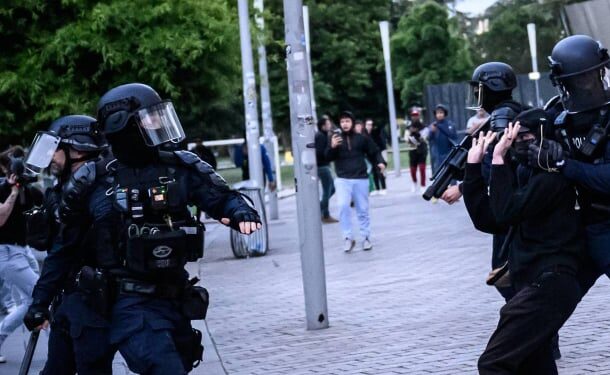
Executive Summary : – Myanmar’s 2025–2026 general election was not a democratic transition but a strategic exercise in institutional capture designed to legitimize the military junta following the 2021 coup. Conducted amid civil war, mass displacement, and the dismantling of opposition politics, the elections served as a mechanism for consolidating military power under a nominally civilian façade. Through restrictive party laws, a captured Union Election Commission (UEC), manipulated voting systems, geographic exclusion, coercion of voters, and violent repression, the junta engineered a pre-determined outcome favoring the military-backed Union Solidarity and Development Party (USDP). The process disenfranchised millions and erased the political mandate of the 2020 election. International responses remain divided. While China and parts of ASEAN lean toward selective engagement, Western governments and the United Nations reject the polls as illegitimate. This policy brief assesses how Myanmar’s election architecture functions as a mechanism of authoritarian entrenchment and outlines policy options for governments, regional organizations, and multilateral institutions seeking to prevent the normalization of military rule while supporting bottom-up democratic alternatives.