
Comparative Legislatures
A Comparative analysis of the electoral machinery in four major federal democracies Comparative Legi…

Evidence-Based Insights for Strategic Action
IPSJ produces evidence-based policy briefs that translate rigorous research into clear, practical recommendations for policymakers, civil society actors, and emerging governance institutions. Grounded in participatory research, field assessments, comparative analysis, and expert consultation, our policy briefs address urgent challenges in Myanmar’s federal democratic transition.
By combining analytical rigor with grounded local insights, IPSJ ensures that research directly informs policy development and institutional reform. Our publications are accessible, actionable, and widely shared across Myanmar’s pro-democracy ecosystem and with international partners—supporting informed decision-making, collaborative problem-solving, and evidence-based state-building.

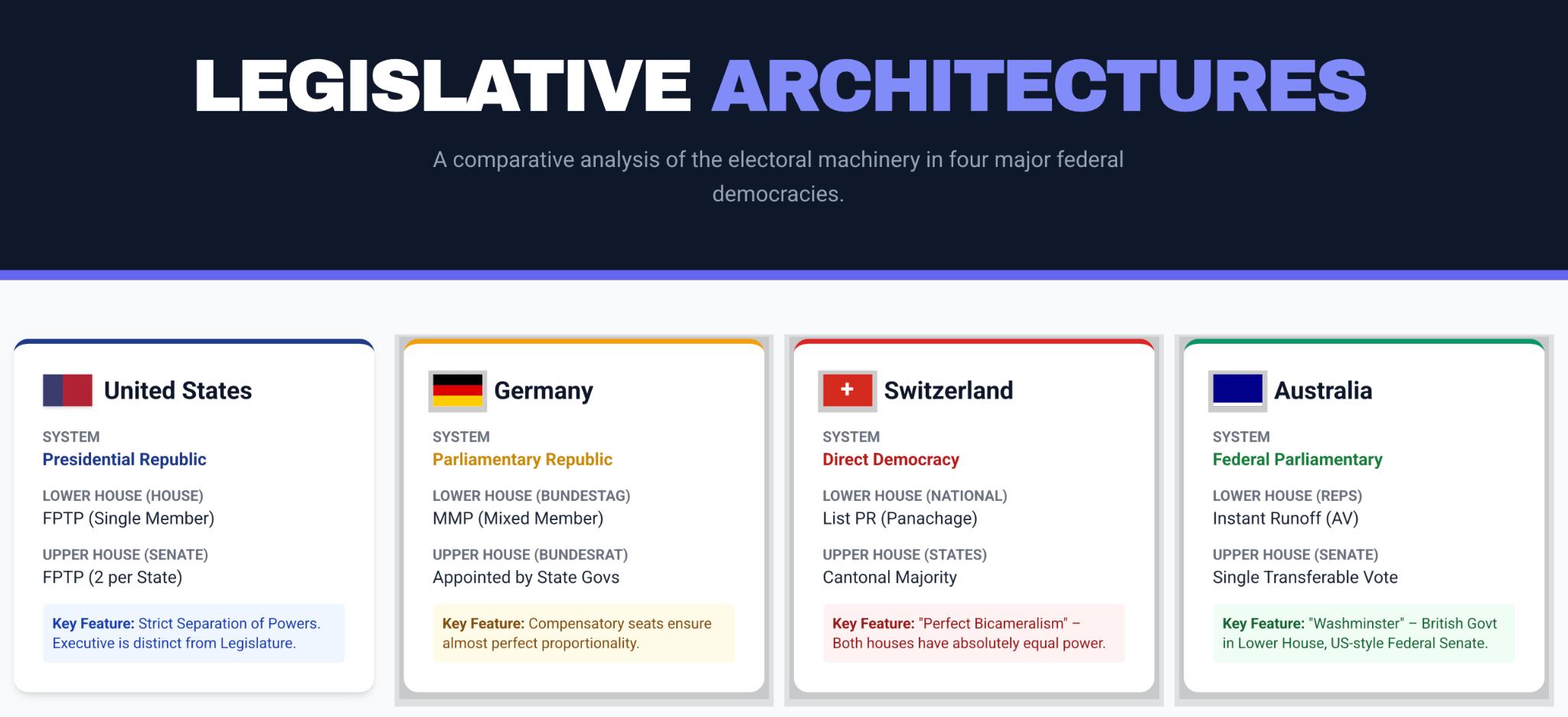
A Comparative analysis of the electoral machinery in four major federal democracies Comparative Legi…
Village Panchayats – India explores India’s decentralized rural governance system, highlighting the …
Click Here to Download
Click Here to Download:
IPSJ (Institute for Peace and Social Justice) is a Myanmar-based non-profit organization that advocates for civic education, inclusive dialogue, conflict transformation, and resource governance within a federal democratic system.
IPSJ works with communities, civil society organizations, policymakers, youth groups, and stakeholders committed to peace, justice, and democratic governance in Myanmar.
IPSJ facilitates inclusive dialogue and trust-building processes that help prevent violence, address root causes of conflict, and promote peaceful coexistence.
IPSJ uses evidence-based research, civic education, inclusive dialogue, and policy engagement to promote peaceful solutions, social justice, and accountable governance.
Effective resource governance ensures transparency, fair revenue sharing, and community participation, which are essential for peace, social justice, and sustainable development in a federal democracy.