
Internal Displacement and Food Insecurity in Myanmar
Ongoing armed conflict since the military coup in 2021 has driven more than 3.5 million people
from their homes; some estimates predict this could rise to around 4 million in 2026. World
Food Programme+1 Large numbers of internally displaced persons (IDPs) are in regions like
Sagaing, Magway, Chin, Kachin, Rakhine, Karen and Karenni State and Eastern Bago
Region (Pegu) — areas where fighting between the military and armed opposition groups is
most intense. Many IDPs are sheltering in forests, makeshift sites in villages, or remote areas
unsafe for return, often without stable shelters or basic services.
IPSJ’s Pilot Program on Livelihood and Food Security in Karenni
- Supporting Inputs for Vegetable Production (Nanman Village)
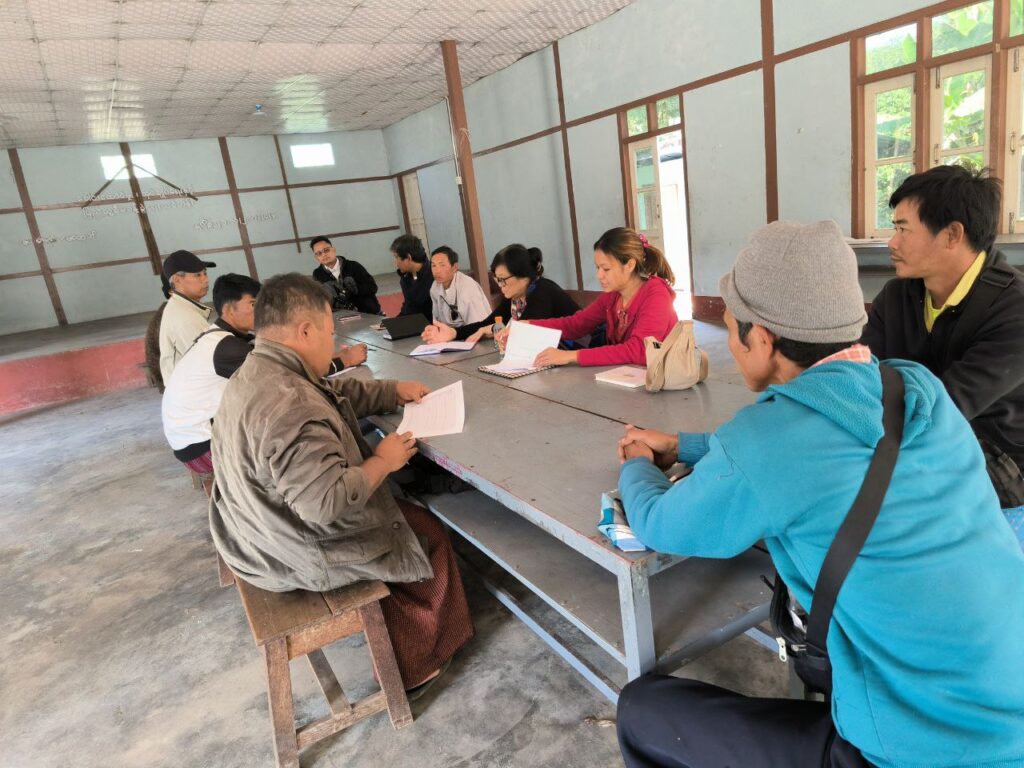
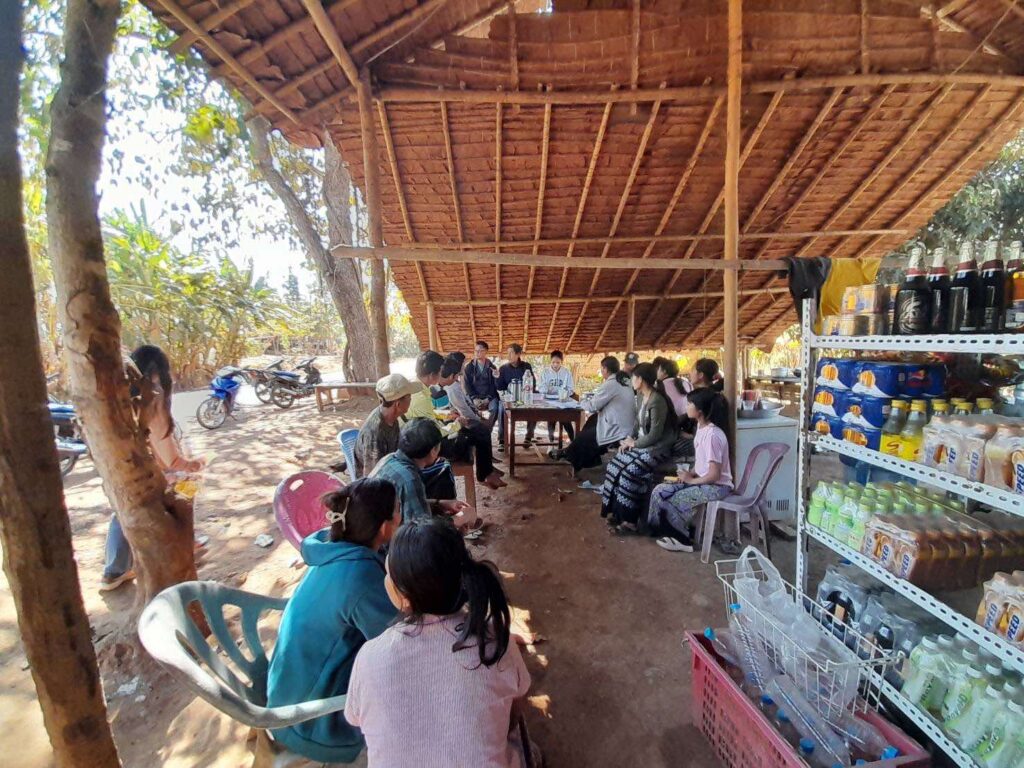
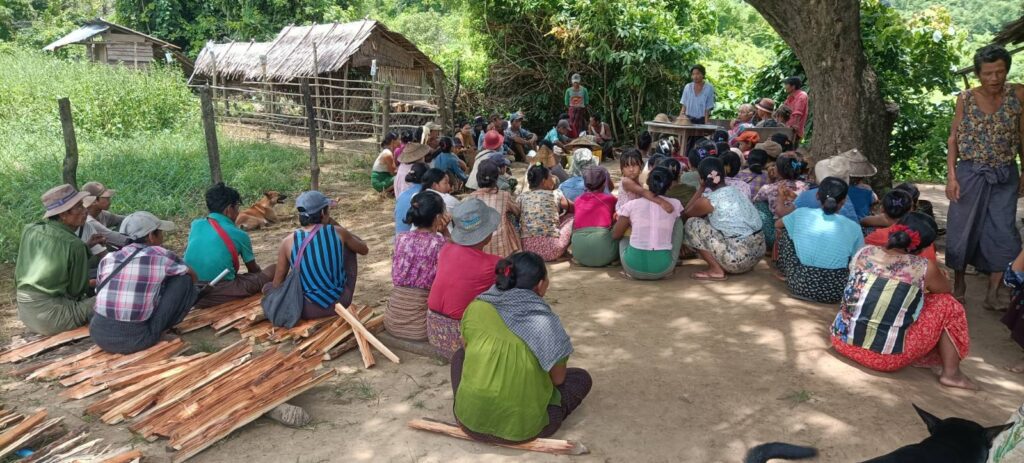
As part of the livelihood improvement programs, assistance for vegetable farming has been initiated in Natman Village, Mese Township. On January 13, 2025, local community leaders from Natman Village, together with leaders from IDP camps, met with the MTRDF team to discuss and clarify the project’s implementation framework. The discussion covered designated project areas, the agricultural cooperation program, and the living conditions of displaced households. Following this meeting, a seven-member Agricultural Committee was established.
On January 14, 2025, the Agricultural Committee held a meeting with farming households from Natman Village and IDP Camps No. (8) and No. (9), where displaced persons engage in subsistence vegetable cultivation and work as daily laborers on local farms. Camp No. (8) comprises nearly 200 households with over 1,000 individuals, some of whom depend on donor support. As a result of the meeting, 30 households (147 beneficiaries) were selected to participate in the Co-managed Vegetable Farm initiative under the project.
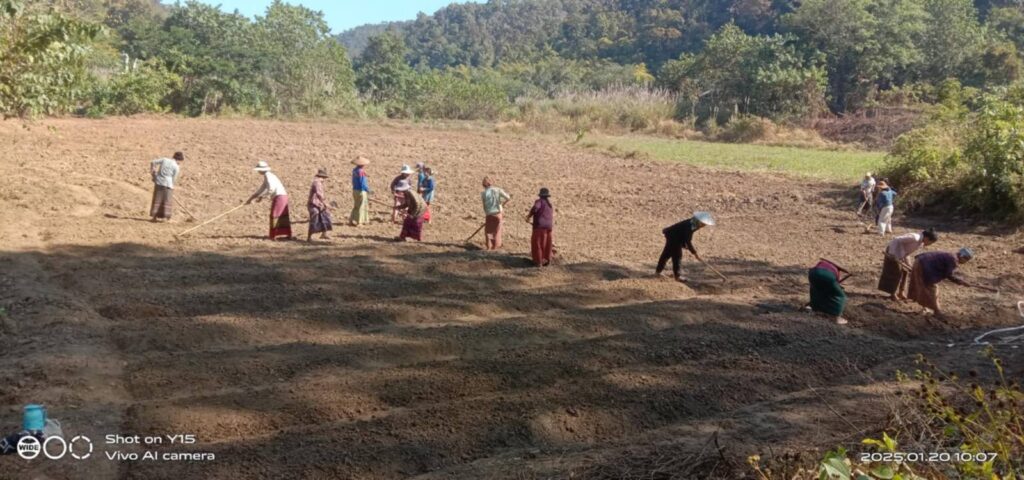
On January 15, 2025, land preparation for cultivation began. Out of the 3-acre vegetable farm, one acre was dedicated to mushrooms and garlic as the main crops. The remaining two acres were used for mixed cultivation of various vegetables, including water spinach, roselle, tomato, long bean, chili, lettuce, and mustard.
- Livestock Breeding for Livelihood Improvement (Nan Mann Village/Karenni)
Nan Mann Village, Mese Township, located on the eastern bank of the Thanlwin River near the Myanmar– Thailand border, is one of the project’s target communities for livelihood improvement activities. Support for vegetable cultivation and animal husbandry has already been introduced in the village, and these activities continued during the reporting period, with a focus on pig farming for IDPs at Camp No. (8).
A total of 15 IDP households [85 Beneficiaries; 46 M+39F] are participating in the livestock project. On April 4, 2025, the households received training from two veterinarians on key aspects of pig rearing, including pen construction, disease prevention, feeding methods, medication, and the use of high-quality Thai pig breeds for meat production. Participants, many with prior experience, actively contributed to discussions, and project rules and responsibilities were agreed upon.
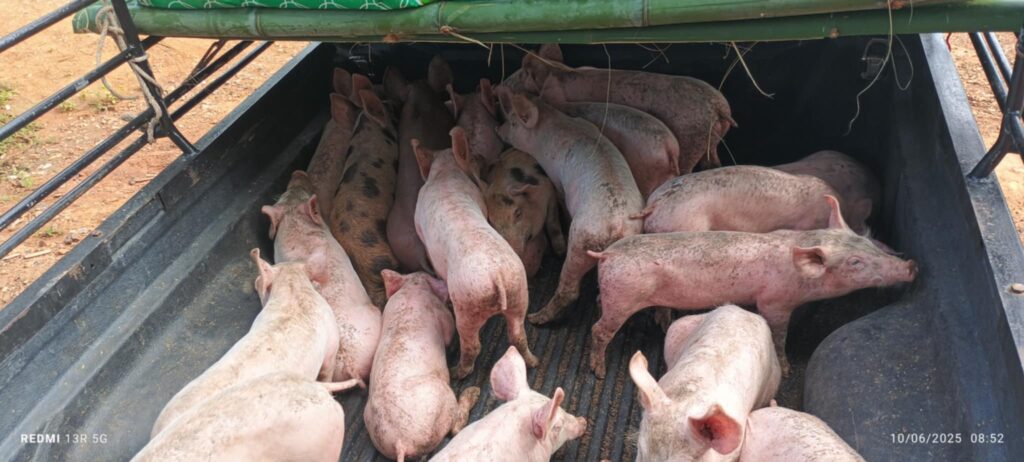
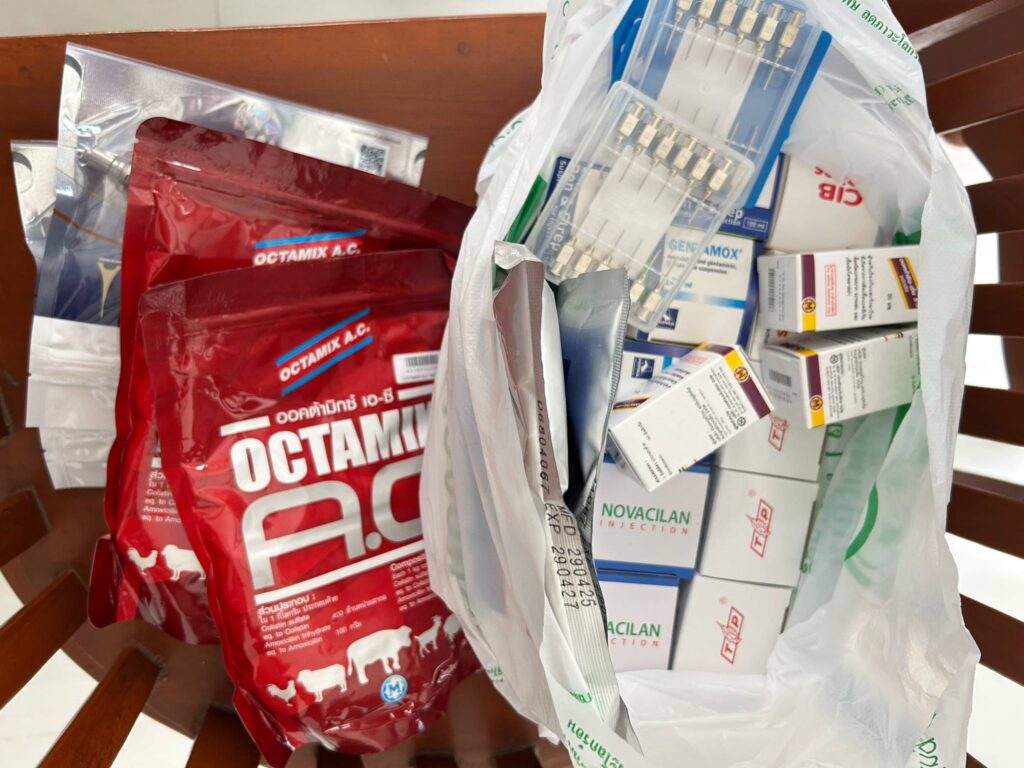
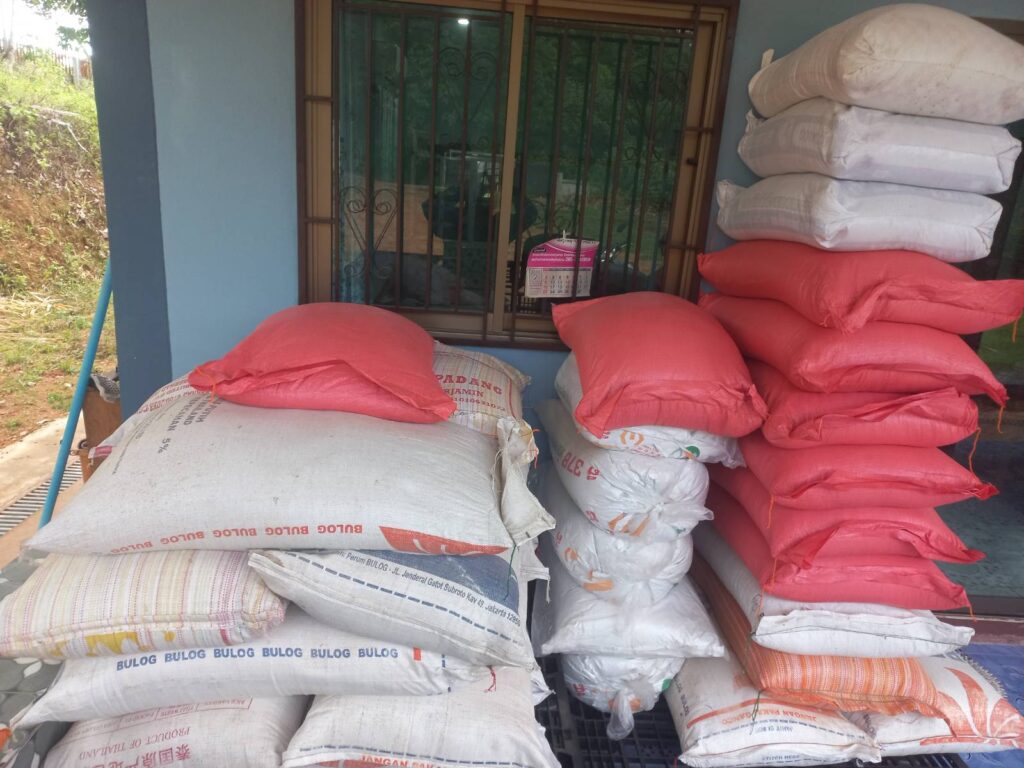
Each household was allocated two meat-production pigs (total: 30). On June 10, thirty DYL CP piglets were delivered to Camp No. (8) along with a two-month supply of feed, medicines, and supplementary concentrate provided on June 14, 2025.
Pilot Program of IPSJ on Food Security and Livelihood in Karen State and Eastern Bago
Escalating conflict between the Myanmar military (State Administration Council, SAC) and armed resistance groups including the Karen National Union/Army (KNU/KNLA) has driven waves of forced displacement. Local reporting and human rights monitors indicate more than 1,000,000 displaced as of early 2025 across Southeast Burma, with Karen State a major contributor to these figures, as civilians flee on-going military operations and ‘clearance’ tactics. Eastern Bago Region has also experienced displacement mainly due to armed clashes spilling over from Karen conflictfronts, and repeated climate shocks such as flooding, which has permanently displaced tens of thousands of people across Bago and neighboring states/regions. Aid delivery gaps are a deepening problem. Many IDP camps — particularly in border areas — have seen acute rice shortages, with distributions sometimes limited due to donor funding cuts or blocked supply routes.
- Assistance for Displaced Families in Phyu Township
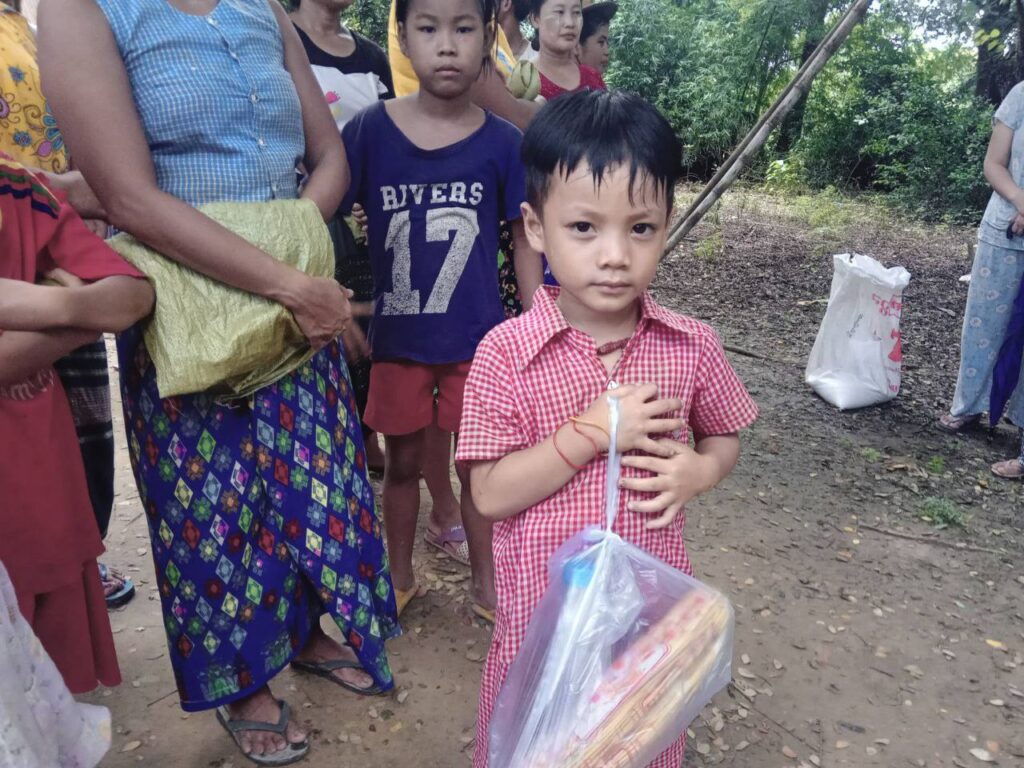
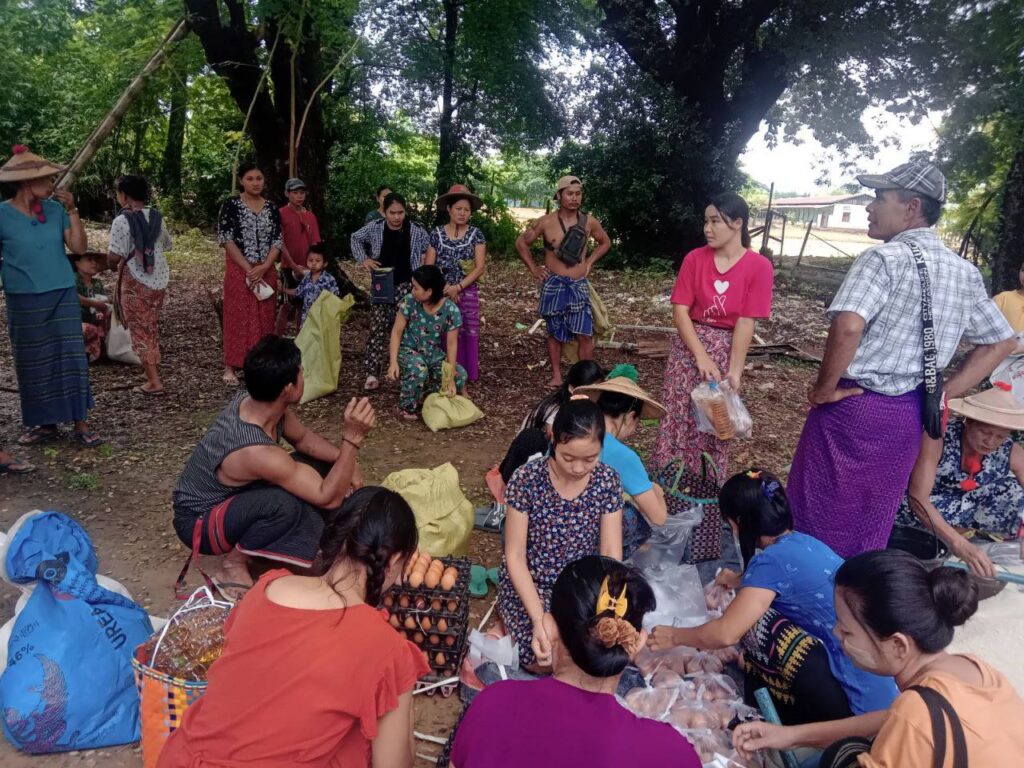
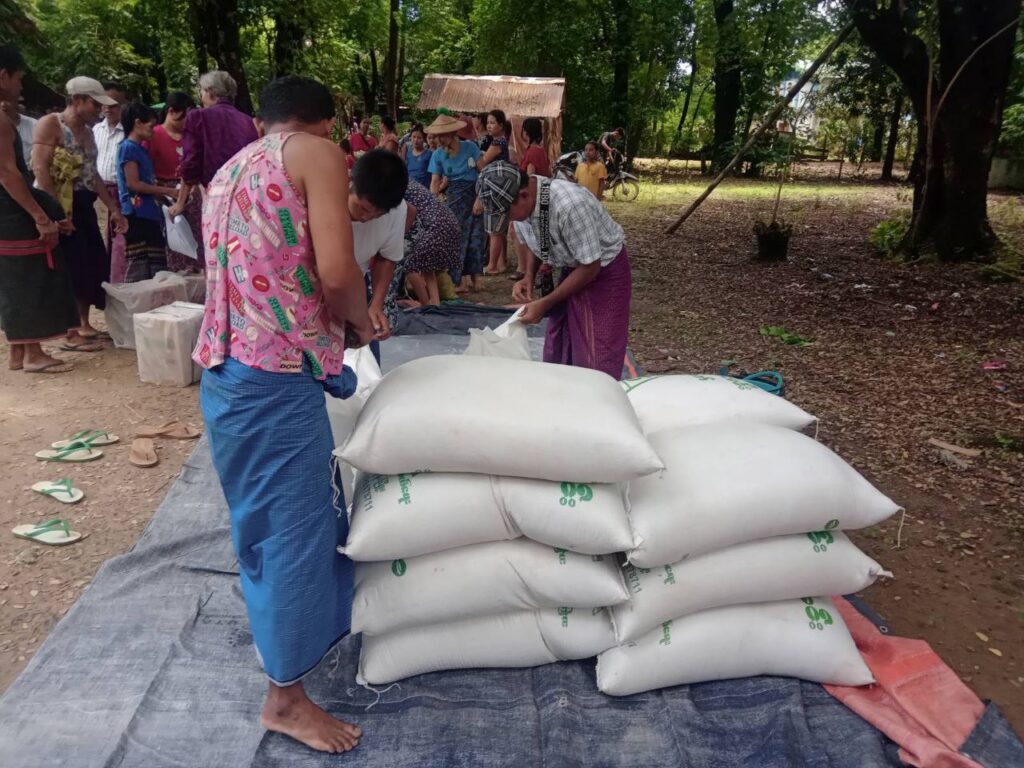
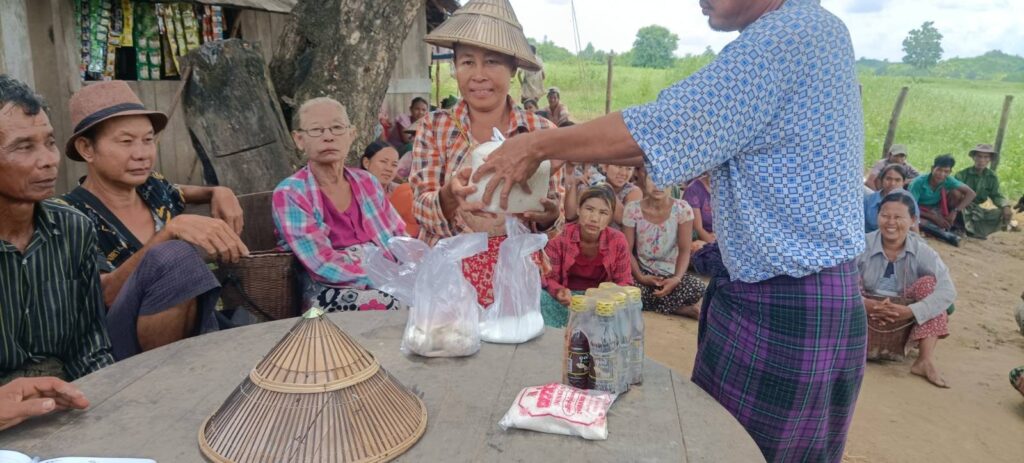
Support was extended to families displaced by armed conflict in Myabago Village, Bago Region, where 95 households (totaling 390 individuals) had sought refuge. From June 14 to 18, 2024, a local social support group led by the township Farmer Union (FU), organized the distribution of essential supplies. Each household received rice, cooking oil, eggs, and noodle packs.
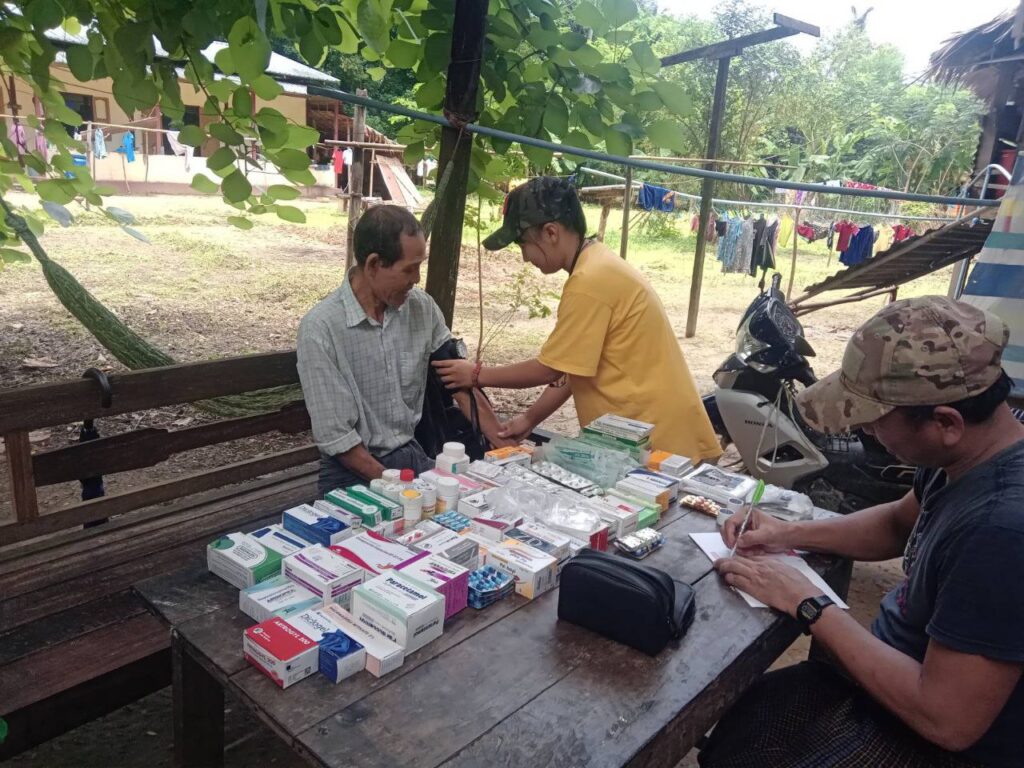
On the day, a healthcare team from Phyu Township provided medical treatment and essential medicines to those in need. Sadly, two individuals had lost their lives due to heavy artillery strikes in the area.
In the eastern Bago Region, military airstrikes and artillery shelling forced residents of Saypale Village (Kyaukgyi Township) and Thinbawkyun Village (Phyu Township) to flee their homes. Most of the displaced are farmers whose livelihoods are at risk due to disrupted cultivation and ongoing insecurity.
In response to the displacement crisis affecting local farming communities, the township Farmer Union (FU), in collaboration with village administrators, conducted data collection in Saypale and Thinbawkyun villages on December 4 and 5, 2024, respectively.
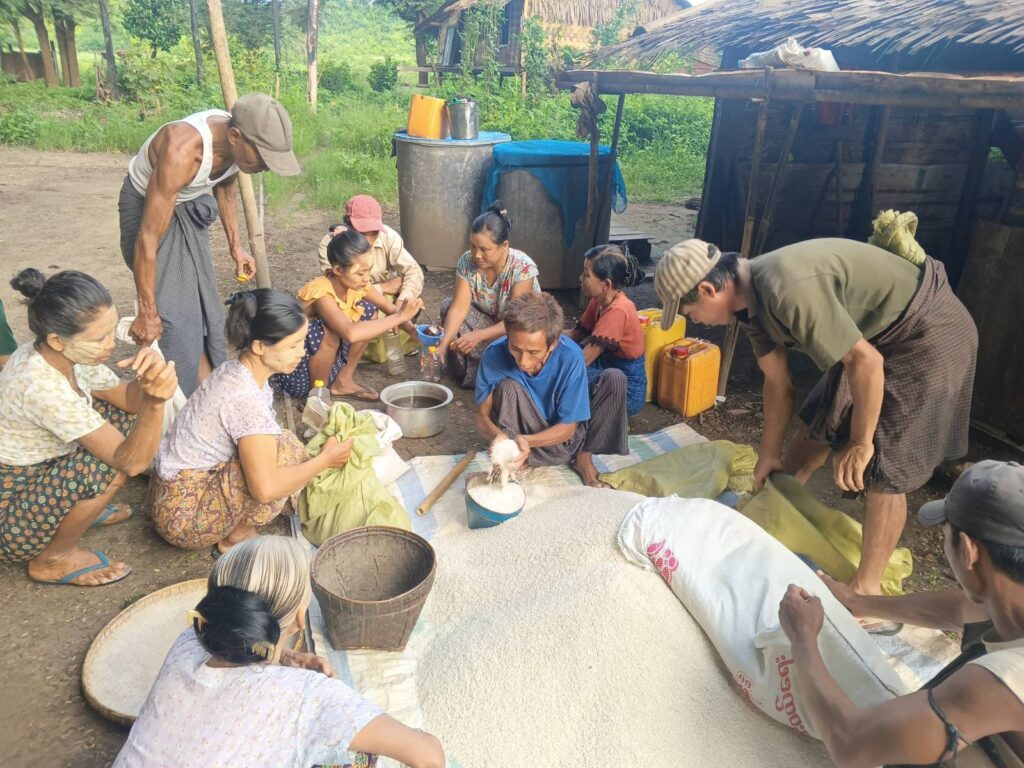
On December 10–11, the team led by U Aung Myo Tint of the township FU distributed food aid to 42 displaced households (154 people) in Saypale and 29 households (130 people) in Thinbawkyun. Each household received a package containing rice, cooking oil, and eggs. The distribution was conducted in coordination with village administrators and community leaders.
- Assistance for Displaced Families in Nattalin Township
In Nattalin Township, a village social support team led by township FU leader, Nan Win extended critical support to families affected by armed conflict as part of the ongoing political crisis in Myanmar.
– July 12, 2024: The team documented 31 households (101 individuals: 35 males and 44 females) temporarily residing in Kyaukpyat Village.
– July 15, 2024: The team visited Kwegyi Village, documenting 43 households (120 individuals: 64 males and 56 females) who had fled their homes and were temporarily staying in Kyaukpyat Village.
– July 16, 2024: In Nyaunglaypin Village, the team surveyed 129 households (413 individuals: 217 males and 186 females) who had temporarily settled there.
-August 10, 2024, the team distributed rice and cooking oil to 74 displaced households—31 from Kyaukpyat and 43 from Kwegyi—ensuring that each family received these much-needed supplies.
Livestock Breeding for Livelihood Improvement in IDPs (Nota Village/Karen State)
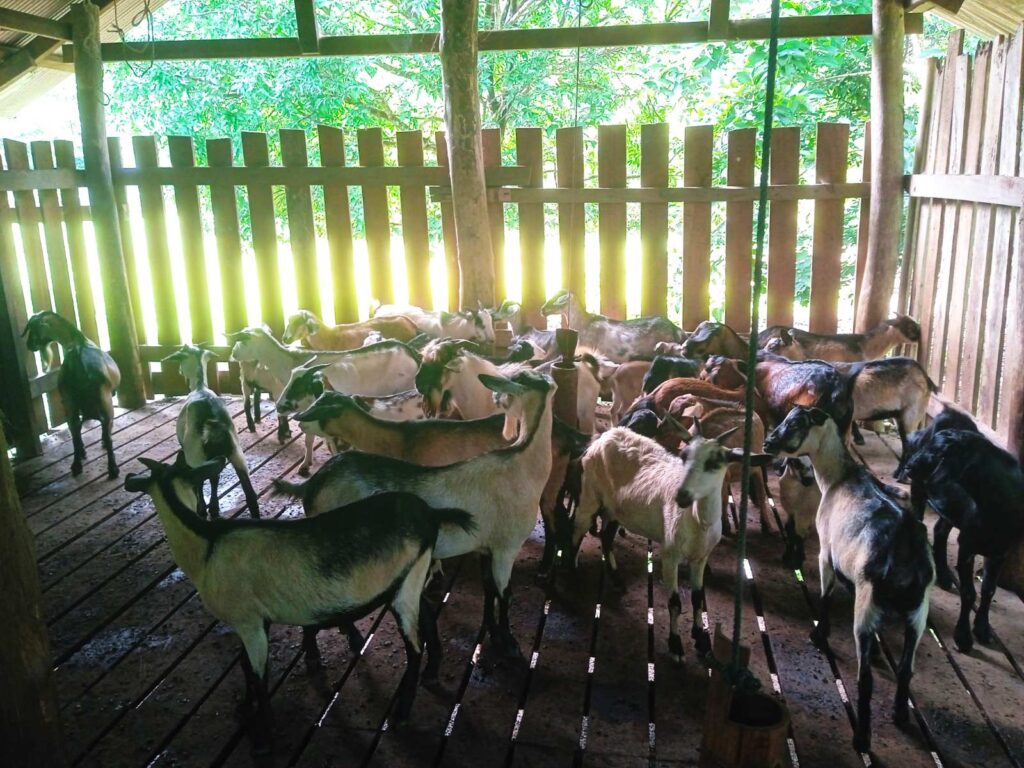
As part of the livelihood improvement programs targeting poor and marginalized communities in the internally displaced persons (IDPs) in Kayin State, livestock raising and breeding initiatives are implemented by the project. During September 2024, the project team visited Nota Village in Hpa-An Township, met with the local community committed to participating in the livestock program, and formed a 7-member Livestock Committee in Nota Village. Since then, the livestock project has been in progress.
Capacity Building Training for Livestock Breeding
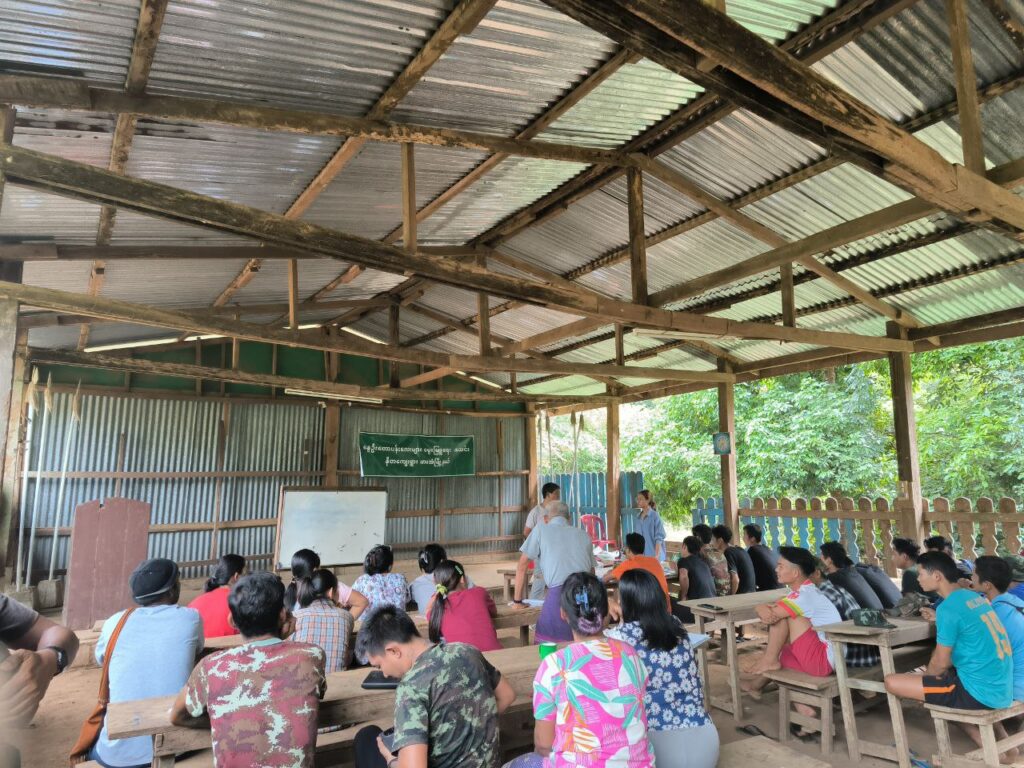
On December 13, 2024, the MTRDF team, including Dr. Naing Naing of Vet, conducted a capacity-building program for Livestock-Rearing Households in Nota Village, as well as reviewed the current status of livestock rearing, including goats, pigs, chickens, and ducks.
A total of 38 (30 men and 8 women) participants attended the session. The session focused on key challenges and opportunities related to mortality and productivity rates. Key topics covered included: Seasonally appropriate rearing techniques, improved feeding practices, and Current market prices for goats and other livestock.
Post-Meeting Activities:
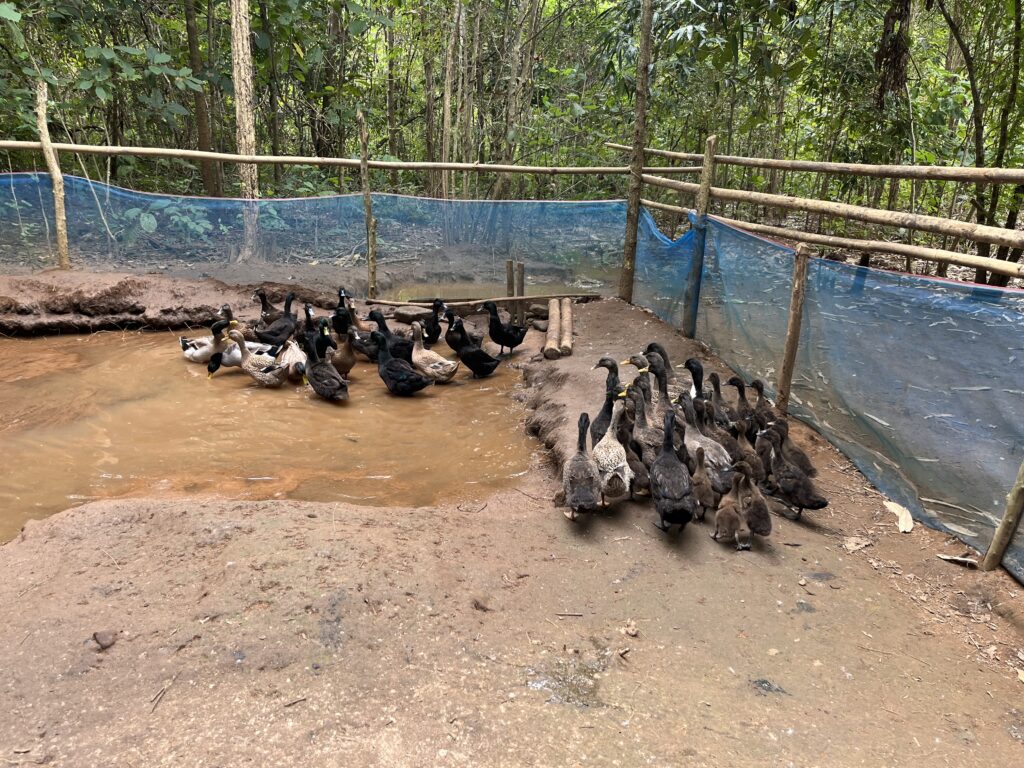
A total of 152 livestock were recorded in Nota Village, including 21 mother goats with kids, 9 adult goats, 6 Muscovy ducks, 84 ducks (including 60 ducklings), and 21 chickens, hens and a rooster. Following the meeting, Dr. Naing Naing and the technical team conducted on-site farm inspections. Activities included ophthalmic treatment for chickens and ducks with eye problems, administering anti-diarrheal vaccinations for piglets, and demonstrating proper animal feeding techniques.
Frequently Asked Questions
What is IPSJ and what does it do?
Institute for Peace and Social Justice (IPSJ) is an organization working to promote peace, social justice, and federal democracy in Myanmar through research, policy engagement, and practical humanitarian programs, including food security and livelihood support for internally displaced communities.
Who does IPSJ work with?
IPSJ works with communities, civil society organizations, policymakers, youth groups, and stakeholders committed to peace, justice, and democratic governance in Myanmar.
How does IPSJ support Livelihood Improvement in IDPs ?
In addressing the problem of internal displacement and food insecurity in Myanmar, IPSJ selected Karen and Karenni States and Easter Bago (Pegu) Region, where Myanmar’s military offensive has severely disrupted civilian life and agriculture, pushing communities toward acute food stress. Some observers describe the situation as akin to a form of “famine warfare”, with direct impacts on civilians’ ability to grow, buy, or access food. In addition to conflict, climate shocks like flooding and landslides have further tilted households into food insecurity by destroying crops and forcing additional displacement
What is IPSJ’s approach to advocacy?
IPSJ uses evidence-based research, civic education, inclusive dialogue, and policy engagement to promote peaceful solutions, social justice, and accountable governance.
Contact Us
Get Involved
Donate