25 July 2026
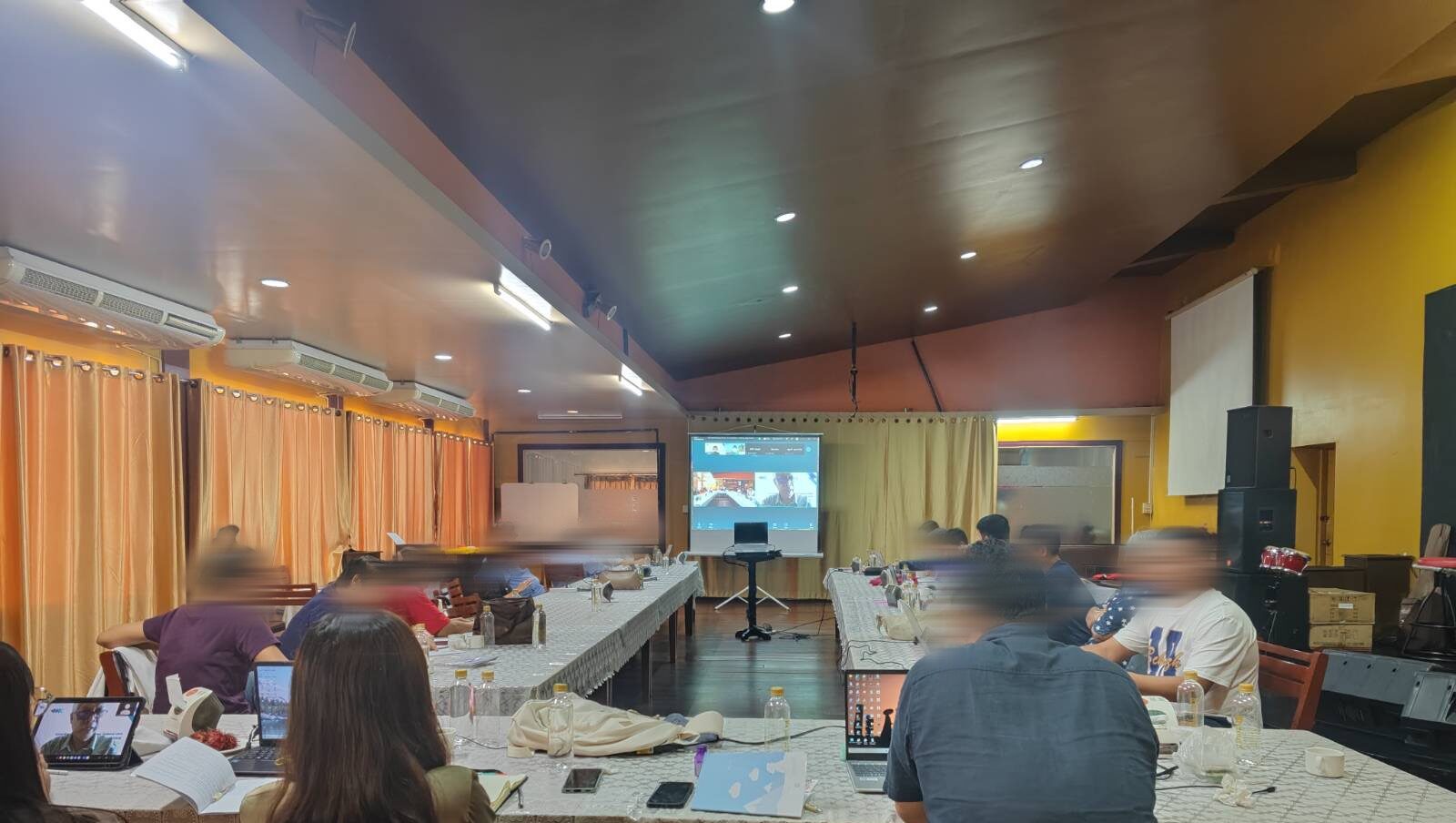
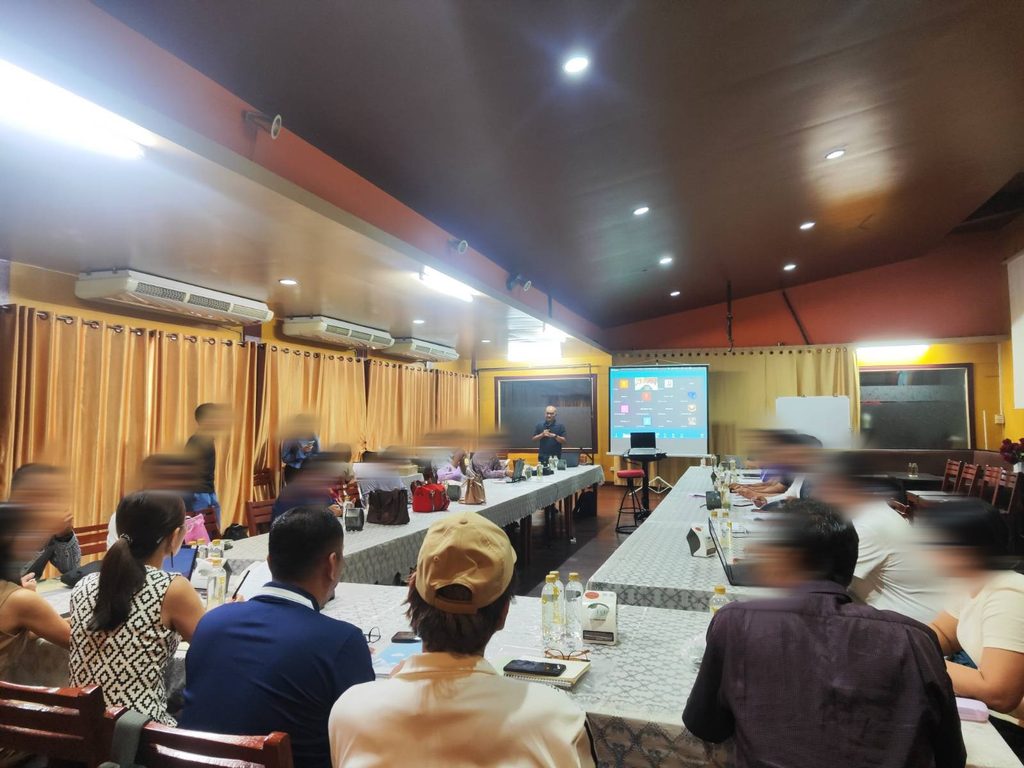
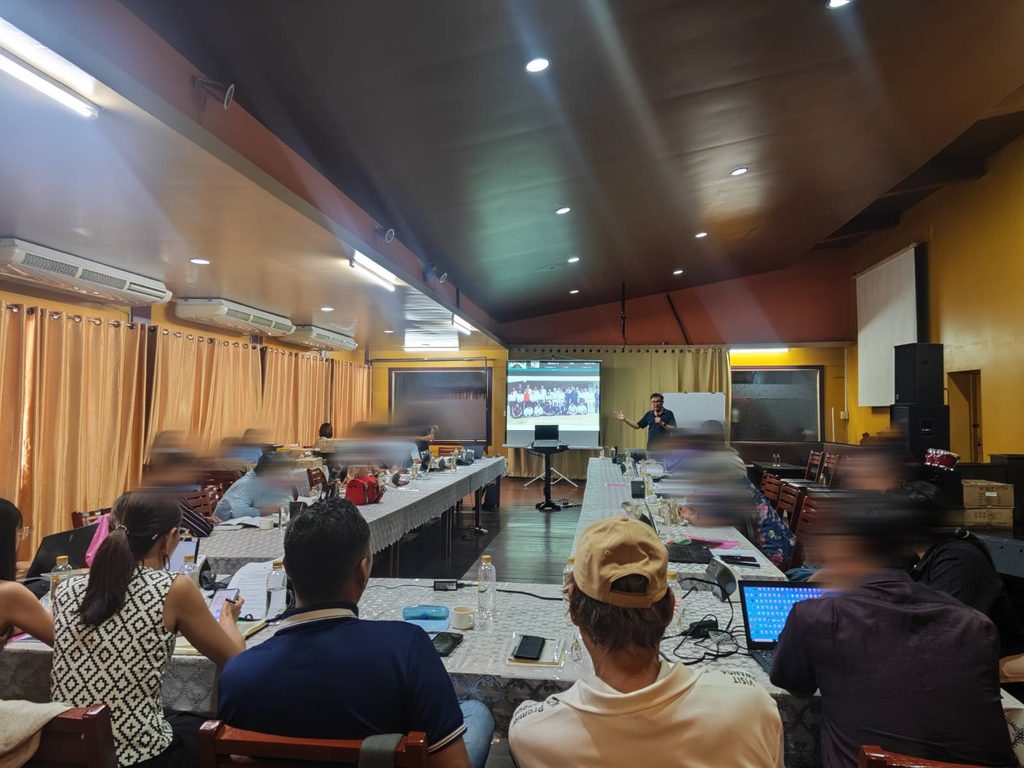
The Institute for Peace and Social Justice (IPSJ) convened the fourth Federal Dialogue Series from 21 to 25 July 2026 at the Thai-Burma border, bringing together stakeholders in the Bago Federal Unit’s interim constitution-making process and representatives from other federal units. The five-day dialogue provided a forum for sharing experience, examining comparative federal systems, and considering practical options for democratic institutions during Myanmar’s transition.
The workshop brought together 37 Bago drafting stakeholders, elected representatives, and other participants, with experience-sharing from 10 MP-Elects of the Magway, Sagaing, Mandalay, and Tanintharyi Federal Units. Participants included civil disobedience movement (CDM) representatives, civil society and women representatives, ethnic representatives, and representatives from the security sector.
Strengthening an inclusive, informed drafting process
The dialogue was designed to support the Bago Commission as it considers interim constitutional arrangements. Rather than promoting a single predetermined model, the sessions encouraged participants to compare institutional choices, assess their implications, and relate federal principles to workable governance arrangements. Peer exchanges offered insights into challenges other federal units faced and opportunities for coordination across ongoing drafting initiatives.
On the opening day, representatives from Magway, Sagaing and Mandalay shared their experiences and lessons learned from interim-measures work. Members of the Bago Commission also presented their proposed approach to drafting. This exchange laid the groundwork for the technical sessions that followed and underscored the importance of learning across federal units while respecting their distinct circumstances.
Five days of constitutional and governance discussions
The second day examined bottom-up and top-down approaches to federalism in Myanmar, facilitated by U Khin Maung Win, and compared unicameral and bicameral legislative arrangements. The discussions explored how federal-unit design could address representation, institutional accountability, and effective lawmaking.
On the third day, Dr. Daisy Kris presented comparative perspectives on local government institutions, local autonomy, and accountable administration. U Khin Maung Win discussed the design of the state executive, including parliamentary and presidential alternatives. These sessions emphasized the importance of clear roles and relationships across levels and branches of government.
The fourth day focused on the foundations of the rule of law and financial self-government. Dr. Daisy Kris addressed the design of a fair, independent and accessible state judiciary, while Dr. Thaung Htun examined fiscal federalism, taxation and revenue allocation. Participants considered how institutional safeguards and financial arrangements affect the practical functioning of federal governance.
Natural-resource governance and next steps
On the final day, Dr. Kenton led discussions on natural-resource management, sustainable governance and equitable revenue sharing. Bago Commission members then reviewed their interim-measures writing process, followed by a facilitated discussion with U Kyaw Kyaw on possible continued technical assistance from IPSJ. The workshop concluded with remarks by Dr. Thaung Htun of IPSJ and U Myint Thein of BLC.
Principal contributions of the dialogue
The program helped create a cross-regional space to exchange drafting experiences and offered technical perspectives on the legislature, executive, judiciary, local governance, public finance, and natural-resource administration. These subjects are closely linked: meaningful local autonomy depends on clearly assigned functions and resources; effective institutions require transparent accountability; and constitutional commitments depend on practical implementation.
Priorities for continued engagement
Building on the dialogue, priority follow-up areas include developing a documented drafting timetable, consolidating the institutional options discussed, conducting focused technical reviews of fiscal and natural-resource provisions, and establishing mechanisms for stakeholder consultation. Transparent records of draft revisions, unresolved issues, and decisions would help sustain continuity and confidence in the process.
The experience also underscores the value of ongoing peer learning among federal units and meaningful engagement with diverse constituencies, including women, ethnic communities, civil society, and elected representatives. Inclusive consultation and evidence-informed drafting will be important as interim constitutional proposals are further developed.
Looking ahead
Federal Dialogue Series–4 represents a step in supporting informed discussion of federal-unit governance and constitutional design. IPSJ’s convening role helped connect Bago stakeholders with comparative expertise and the practical experience of other federal units. The workshop’s longer-term contribution will depend on how these exchanges translate into carefully reviewed draft provisions, transparent consultation, and feasible institutional arrangements.