30 October 2026
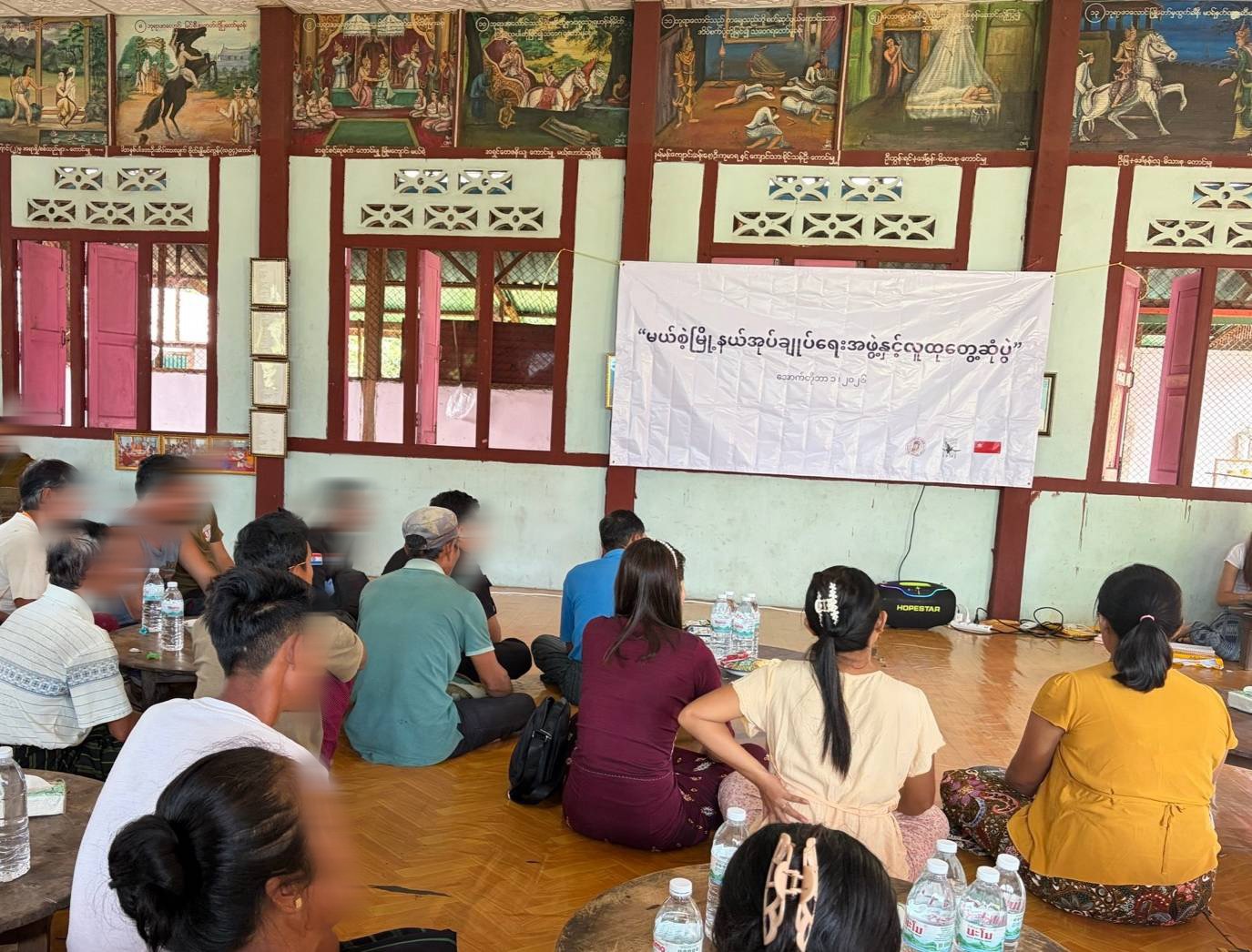
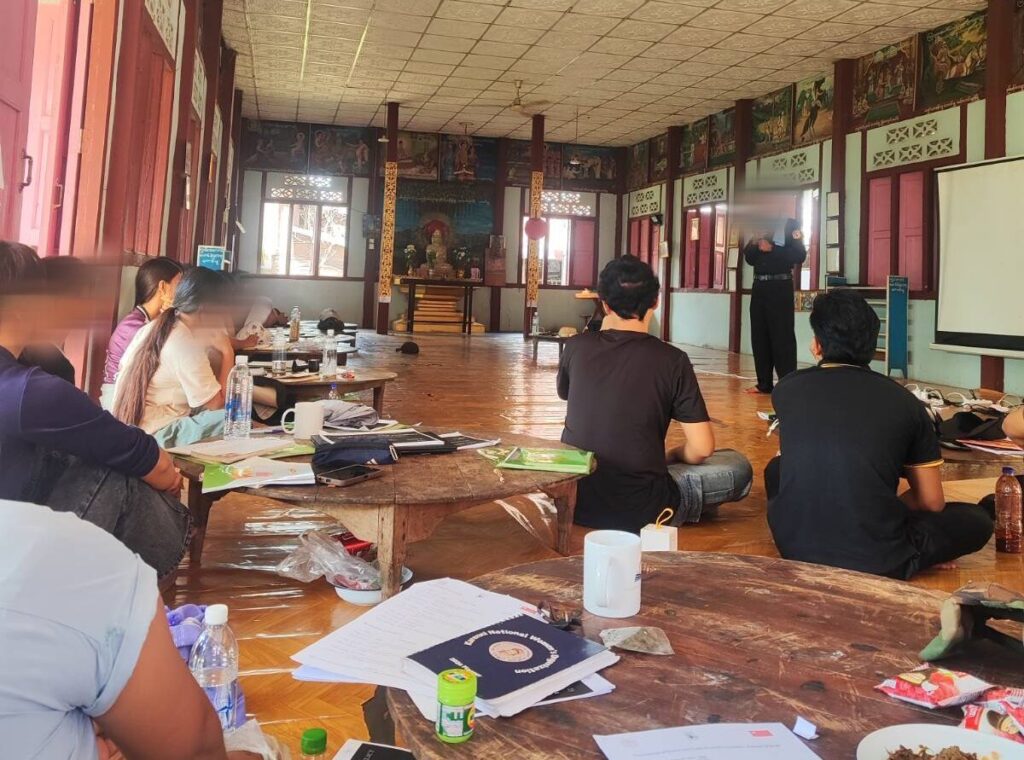
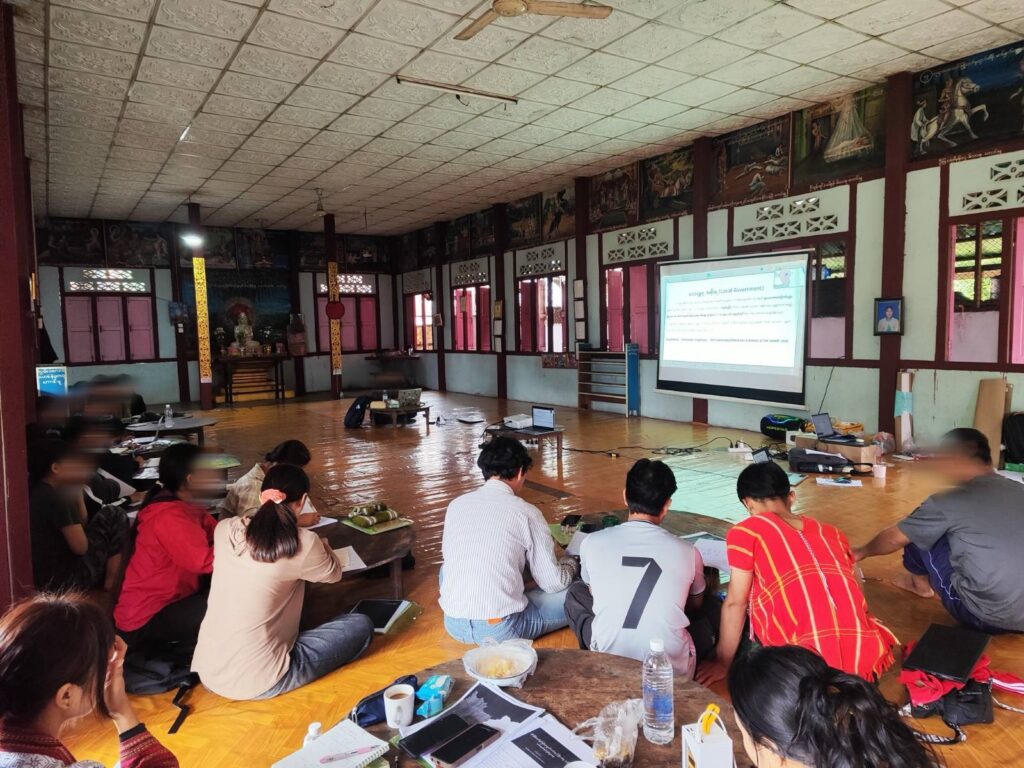
The Institute for Peace and Social Justice (IPSJ), in cooperation with Karenni National Women’s Organization (KNWO) and Karenni National Youth Organization (KNYO), successfully facilitated an eight-day Workshop on the Participation of Women and Youth in Local Governance and a Town Hall Meeting, held from 24 September to 1 October 2026 in Karenni State.
The initiative aimed to strengthen the knowledge, leadership, and meaningful participation of women and young people in local governance, particularly amid ongoing armed conflict and emerging interim governance arrangements in Karenni State. The program emphasized inclusive decision-making, democratic accountability, civilian protection and constructive engagement between local authorities and communities.
Promoting Inclusive and Participatory Local Governance
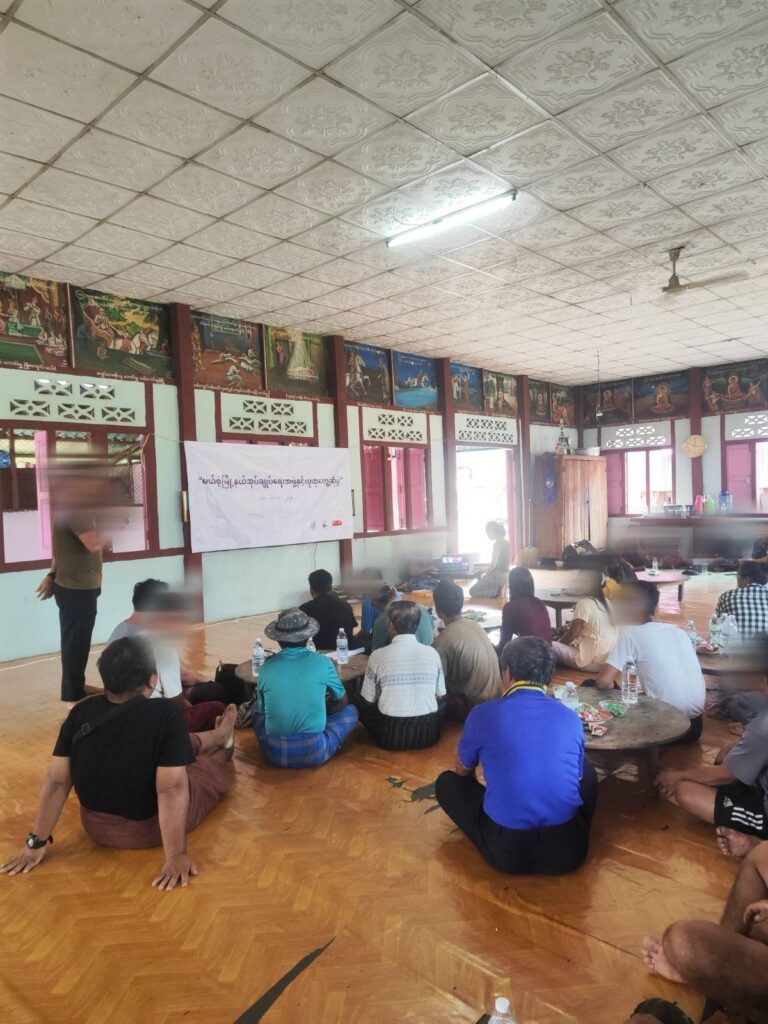
The workshop brought together 22 participants from youth and women’s organizations, local public administration, security institutions, and relevant political stakeholders.
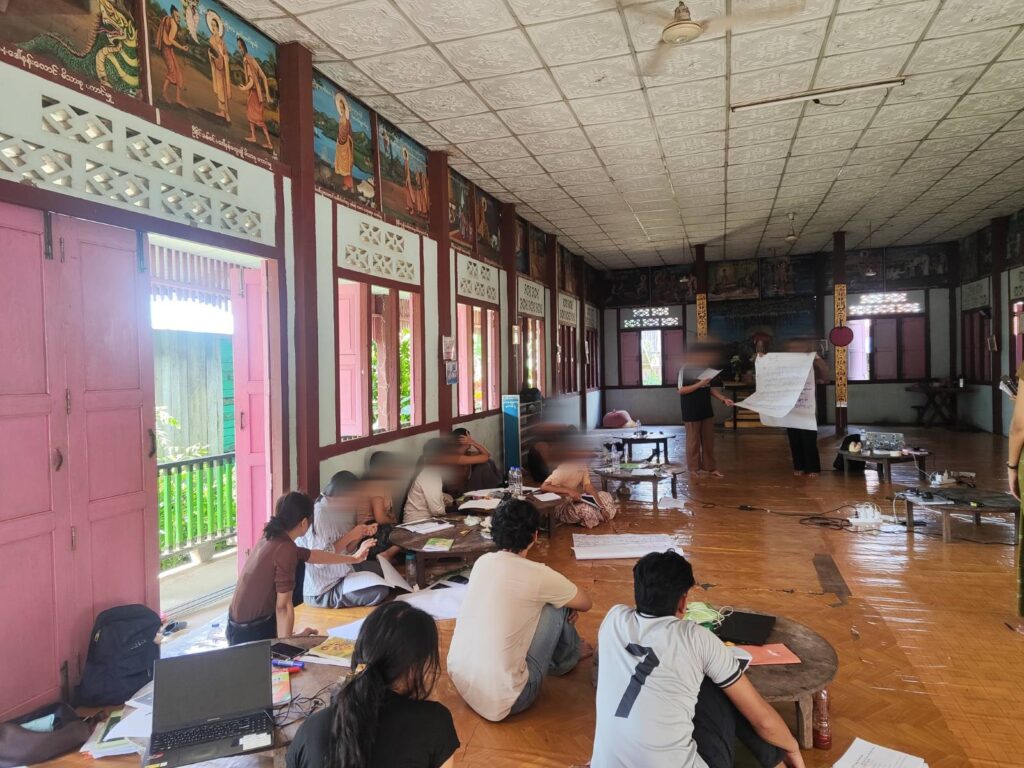
Through presentations, interactive discussions, and practical exercises, participants explored key issues related to federalism, self-rule, democratic local governance, women’s political leadership, public participation, and the responsibilities of local government institutions.
The program also addressed civilian protection during armed conflict, rule of law, public security, anti-narcotics measures, township administration, taxation and public financial management. These discussions highlighted the importance of transparent, accountable and responsive governance institutions in addressing the needs of conflict-affected communities.
Particular attention focused on strengthening the capacity of women and young people to participate effectively in local decision-making, articulate community priorities, and engage constructively with public authorities.
Connecting Learning with Community Realities
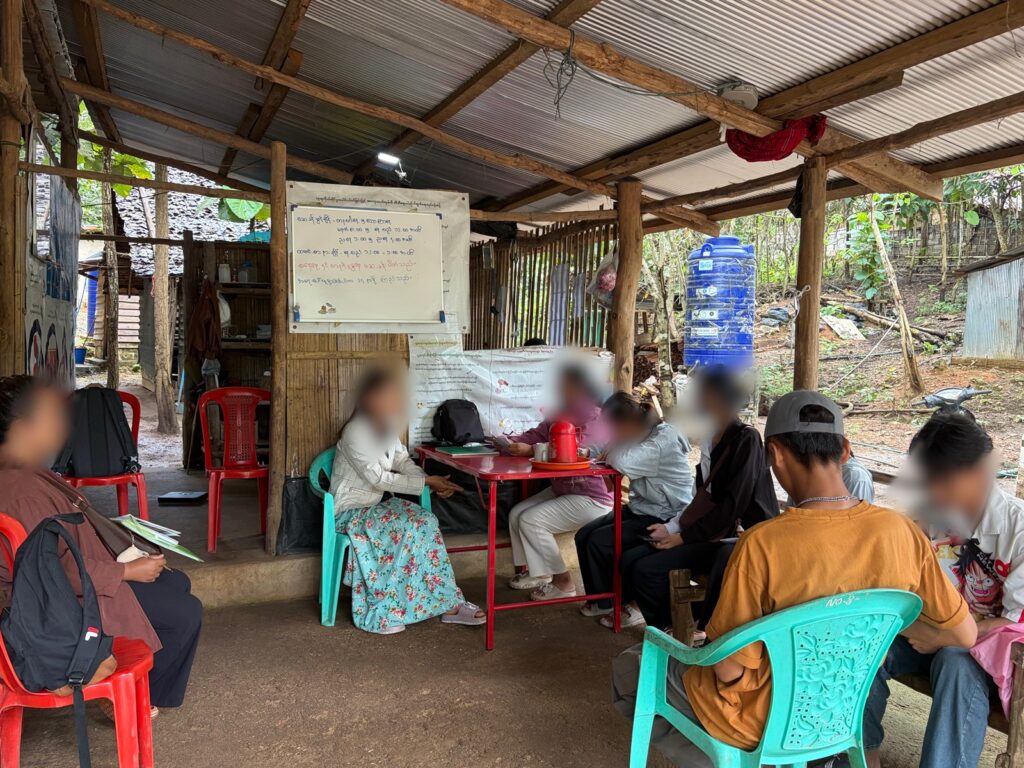
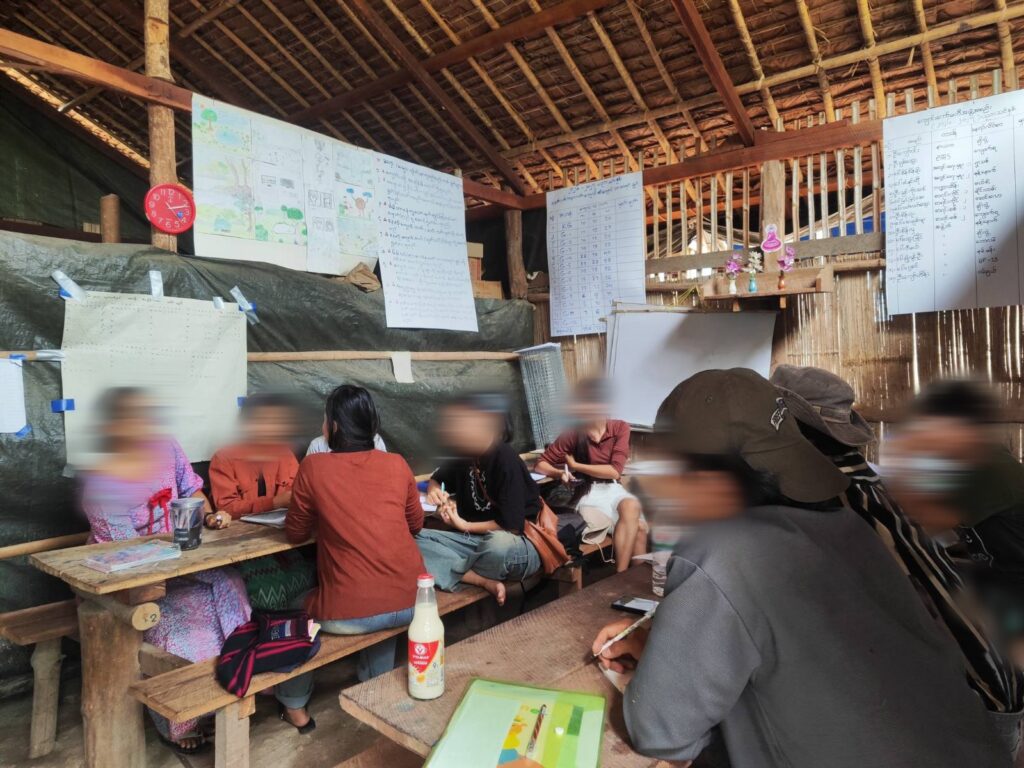
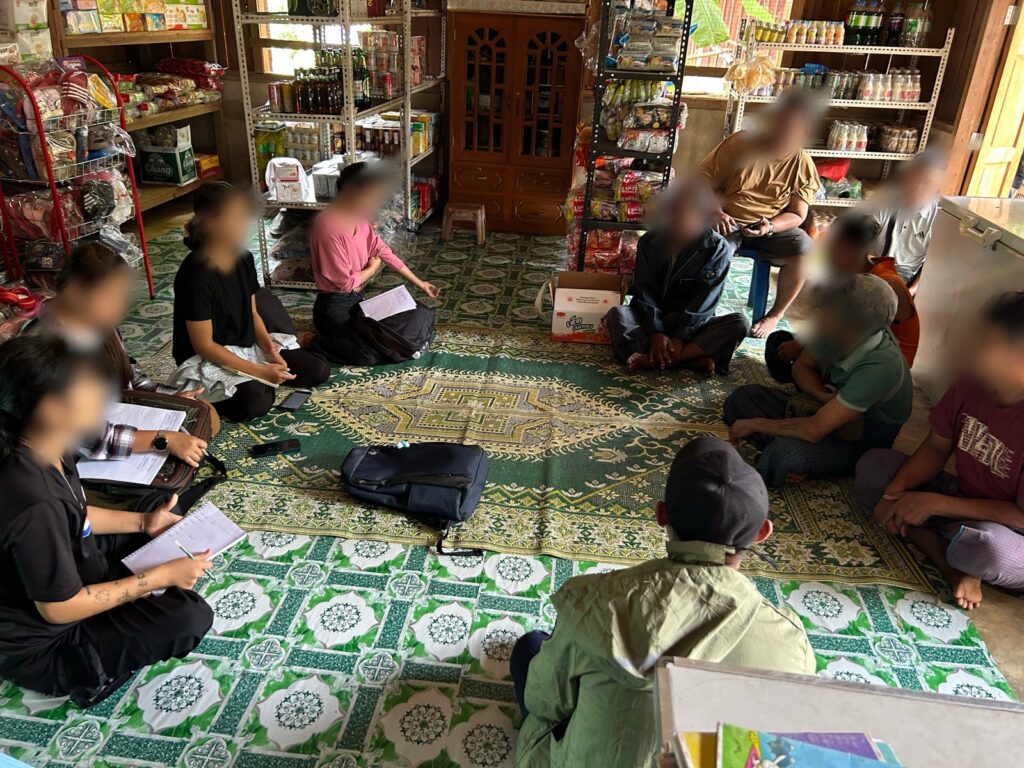
An important component of the program was its emphasis on practical learning and community engagement. Participants prepared for field observations involving internally displaced persons (IDP) camps, health and education departments and local development initiatives somewhere in Karenni State
These activities aimed to connect theoretical discussions on governance with the practical challenges facing local communities, particularly those affected by conflict, displacement, and disruptions to essential public services.Participants also developed questions and discussion points to facilitate informed exchanges with township authorities and community representatives during the concluding town hall meeting.
Town Hall Meeting Strengthens Community Dialogue
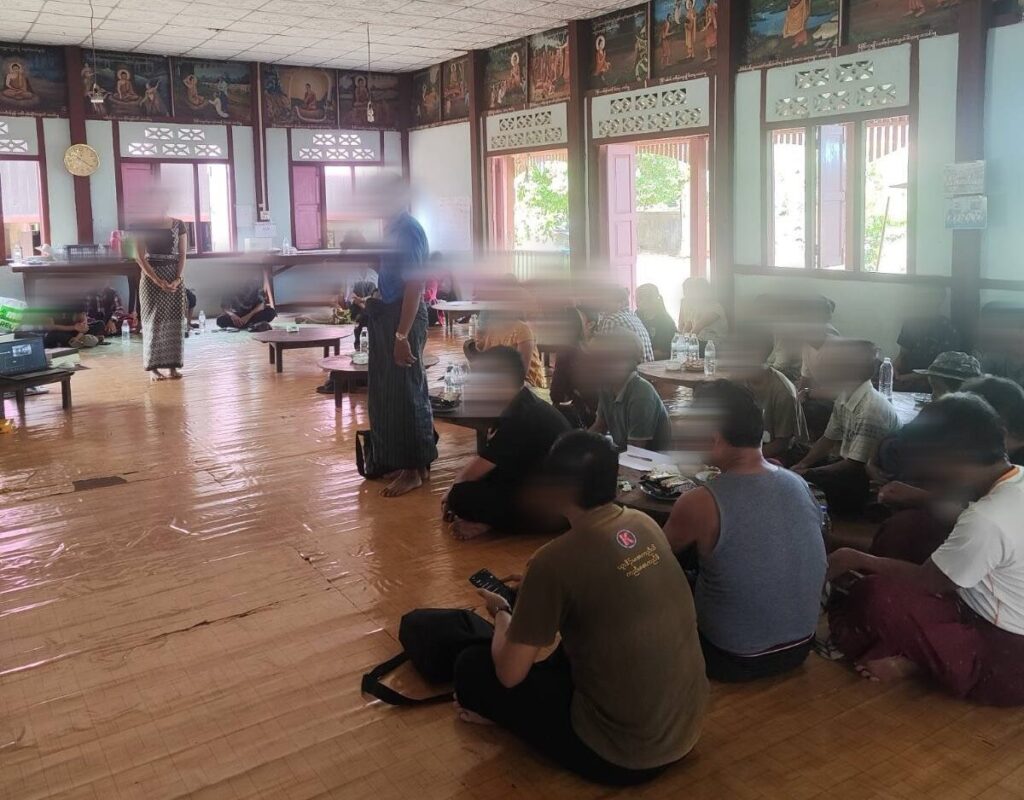
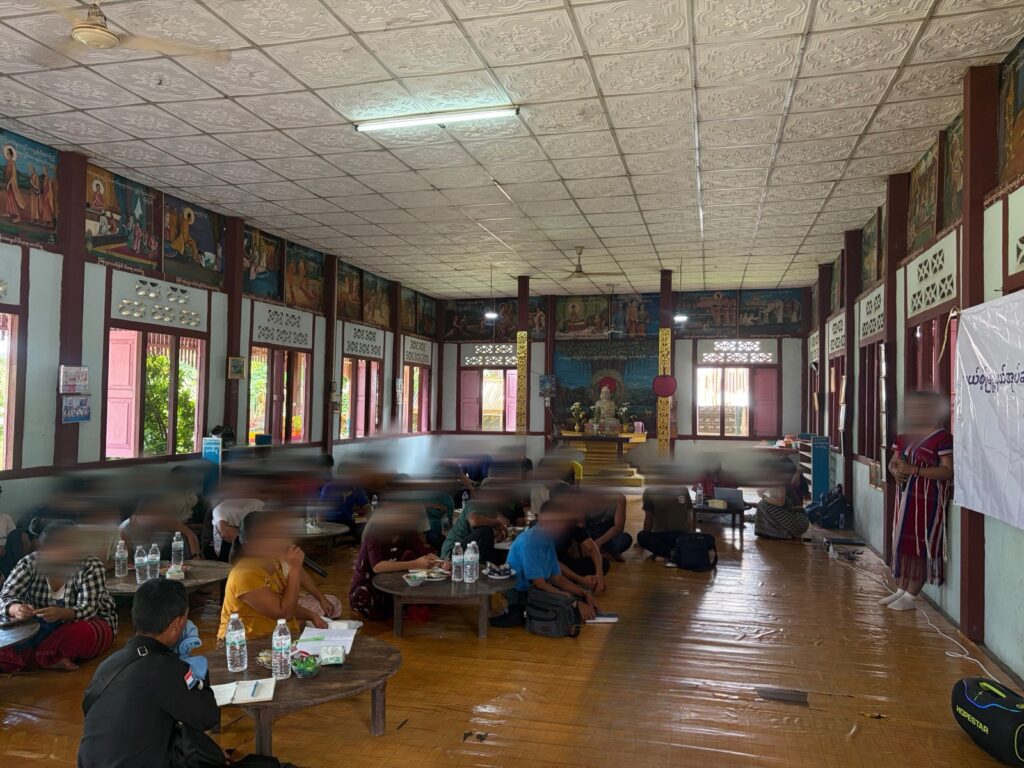
The program concluded on 1 October 2026 with a town hall meeting attended by 66 participants, including 22 workshop trainees. The meeting brought together various stakeholders: Community Representatives from Nan Mhan Village, Representatives of IDPs previously resided in Bolakhae, Phasaung, Kyauksu, Pantain and Hosae, alongside administrative officials from the Mese Township Collaborative Administration, administrators of wards/villages level, No. 8 IDP Camp Management and Service Provision Committees and officials from the Department of Women and Children of the Karenni Interim Executive Council and relevant local institutions.
The town hall provided an important platform for direct engagement between citizens and local governance institutions. It created opportunities to raise community concerns, discuss local governance challenges and promote greater understanding of the responsibilities of public authorities.
The initiative demonstrated the importance of institutionalizing inclusive community consultation and ensuring that women, young people and displaced populations have meaningful opportunities to contribute to decisions affecting their lives.
Moving Towards Accountable and Democratic Local Governance
The workshop and town hall meeting represent a constructive contribution to strengthening participatory local governance in Karenni State.
The program underscored that meaningful democratic governance requires more than establishing administrative institutions. It also depends on active citizen participation, transparent decision-making, effective public accountability and the inclusion of historically underrepresented groups.
Building on this initiative, sustained dialogue between communities and local authorities, together with accessible and safe mechanisms for public participation, will be essential to developing more inclusive, responsive and legitimate local governance institutions.
The participation and leadership of women and youth will remain fundamental to building democratic, accountable and people-centred local governance in Karenni State and Myanmar’s future federal democratic union.