31 October 2026
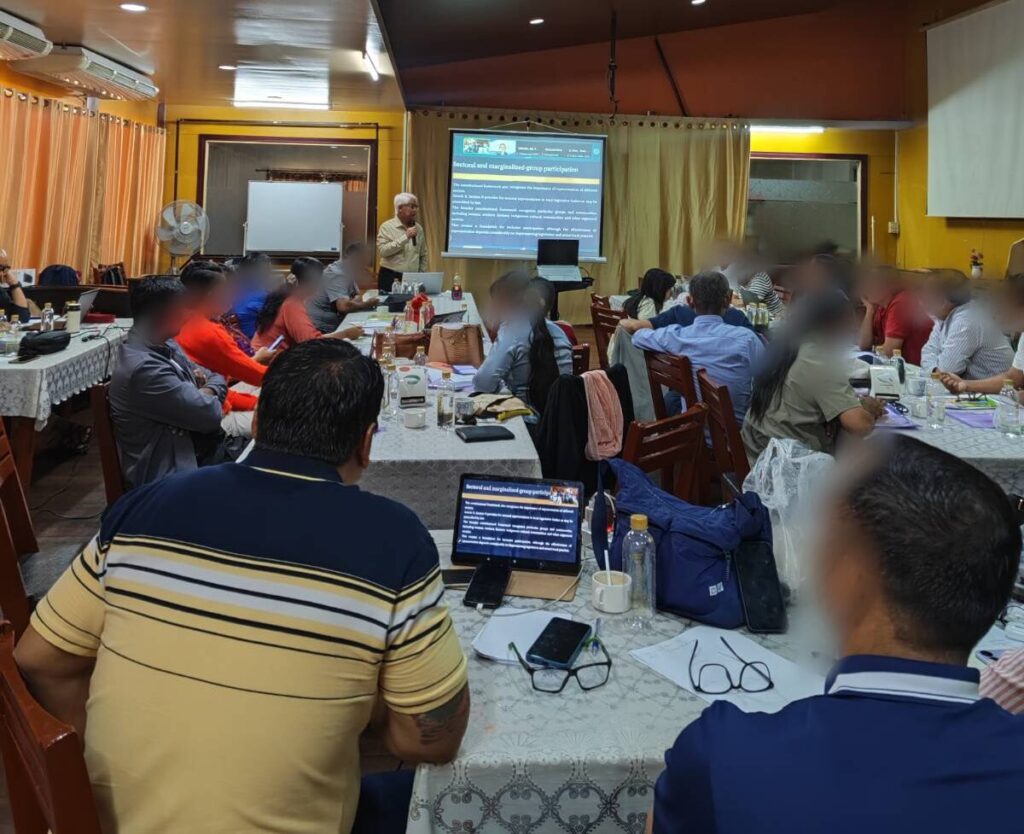
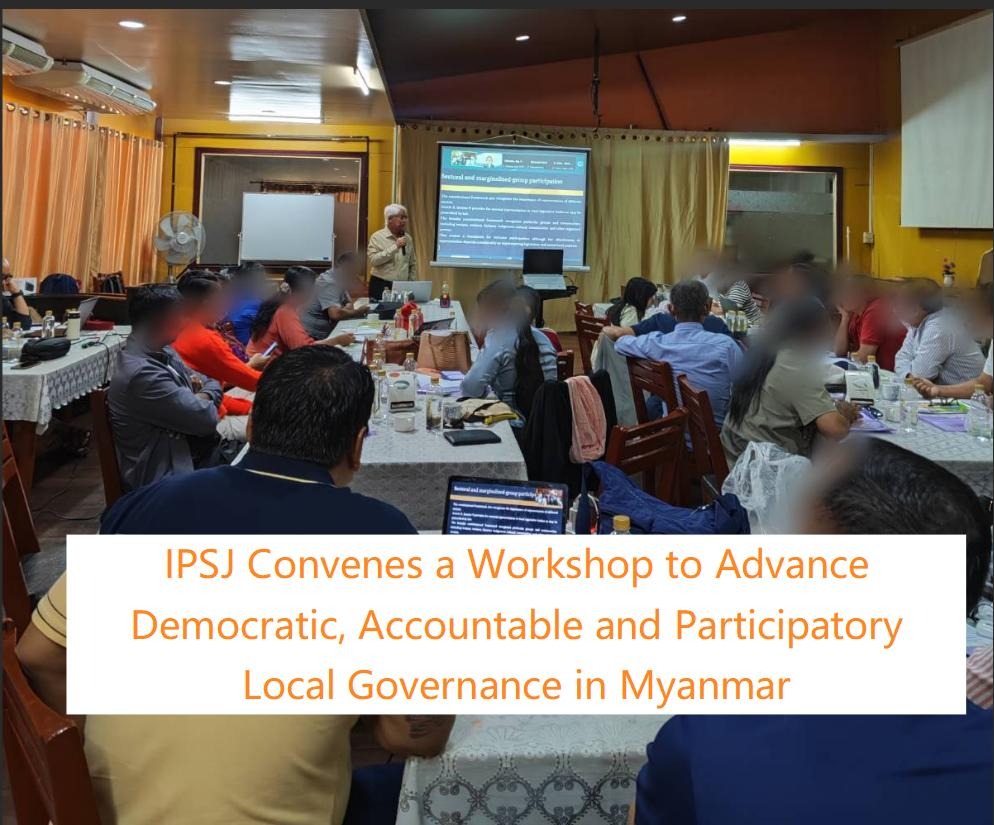
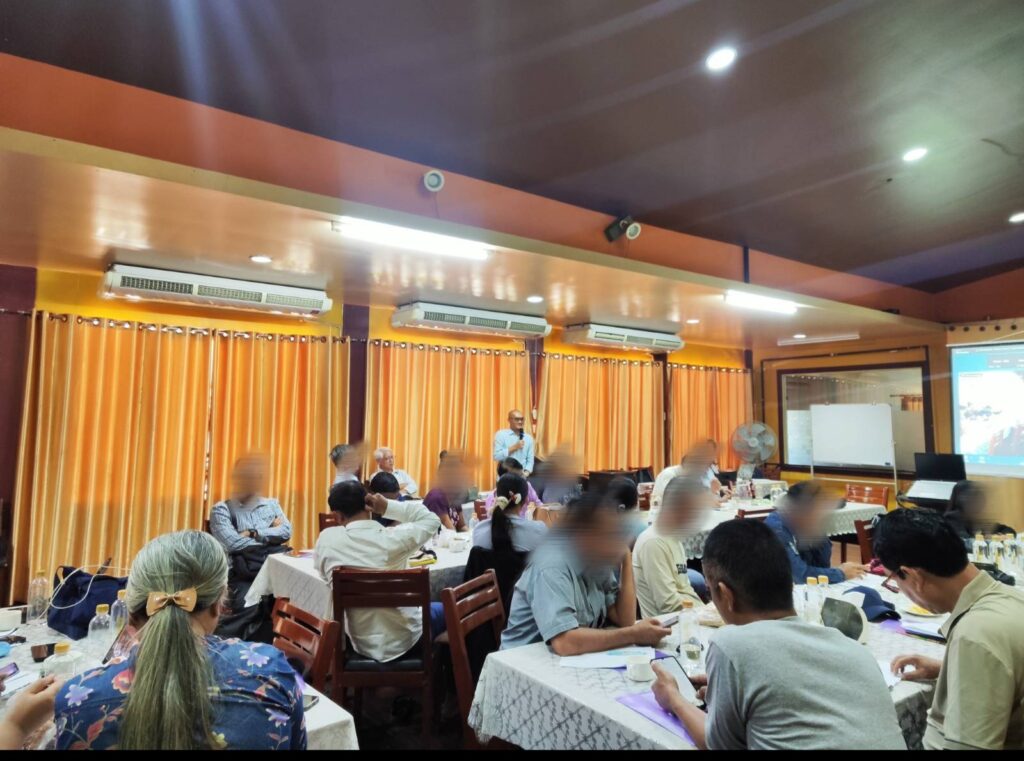
The Institute for Peace and Social Justice (IPSJ) successfully organized a five-day workshop on “Developing a Model Interim Local Government Law for Democratic, Accountable and Participatory Local Governance in Myanmar” from 19 to 23 October 2026 at the Thai-Burma border. The workshop brought together 50 elected parliamentary representatives from the 2020 general elections, including 29 in-person participants and 21 representatives from resistance-controlled areas who joined virtually.
The workshop aimed to strengthen the legal and institutional foundations of democratic local governance in Myanmar amid the ongoing political transition and armed conflict. It provided an important platform for elected representatives to examine practical approaches to establishing inclusive, accountable, civilian-led, and participatory local government institutions consistent with the aspirations for a future federal democratic union.
Strengthening Democratic Local Governance and Federalism
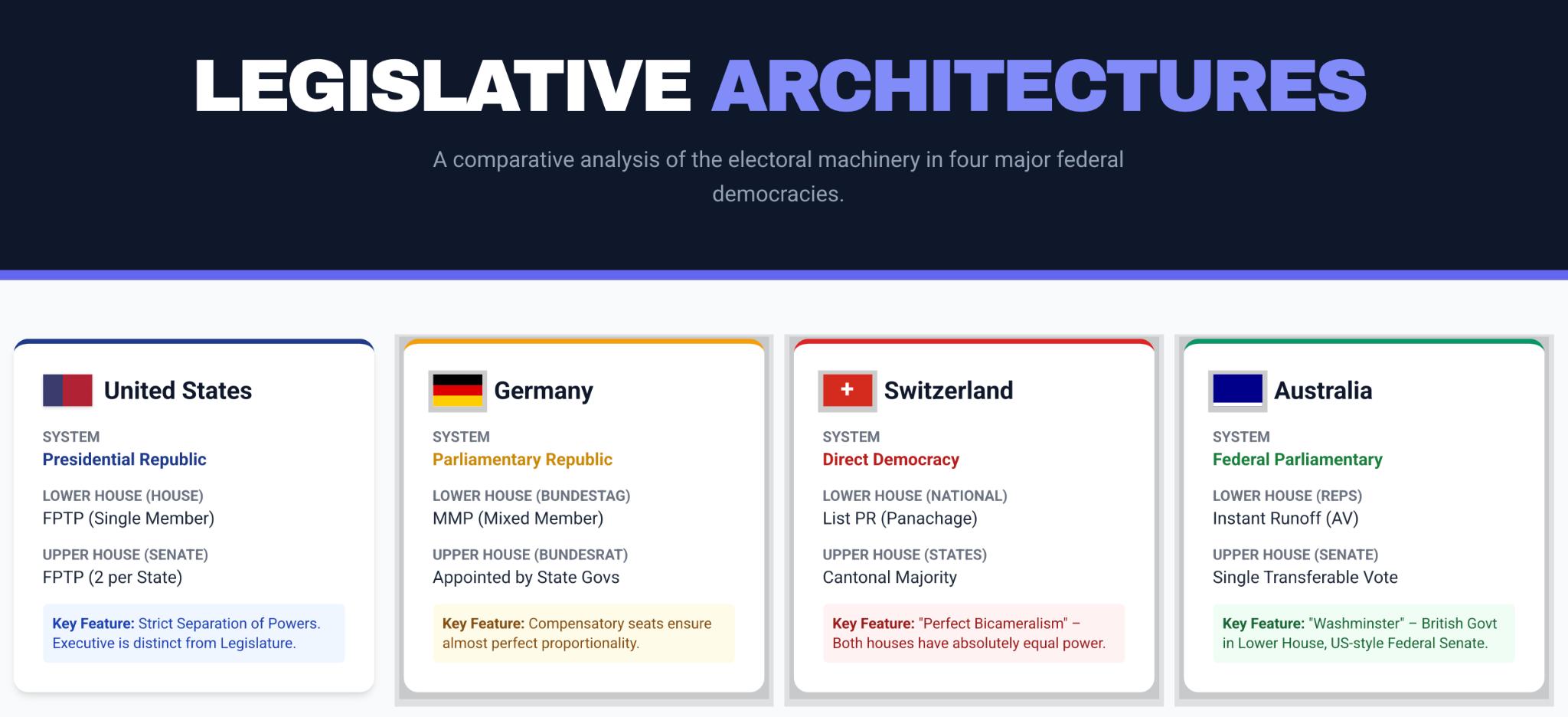
Over the five-day programme, participants explored key principles and institutional arrangements for interim local governance, drawing on comparative experiences in South Africa, Nepal, the Philippines, Germany, and Switzerland. The workshop focused on subsidiarity, democratic representation, civilian supremacy, intergovernmental relations, fiscal autonomy, and public accountability.
The workshop examined how local government institutions could be legally empowered to respond effectively to community needs while ensuring meaningful participation by women, minority communities and other underrepresented groups. Discussions also addressed the relationship between civilian authorities and resistance forces, emphasizing the importance of democratic legitimacy, clearly defined responsibilities and accountable civilian administration.
Recognizing Myanmar’s complex political and security conditions, the programme underscored the need for flexible legal frameworks that respect the diversity of governance arrangements across federal units and in resistance-controlled territories.
A central principle emerging from the workshop was the importance of establishing common democratic standards without imposing institutional uniformity, thereby allowing different federal units and local authorities to adapt the proposed model law to their respective political, administrative and social circumstances.
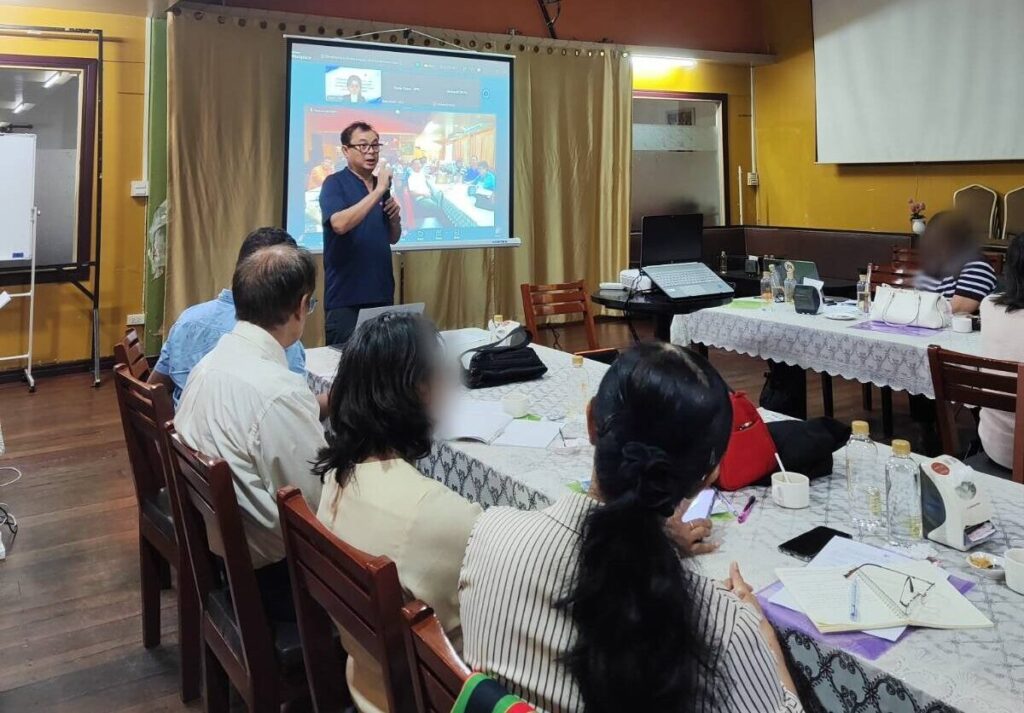
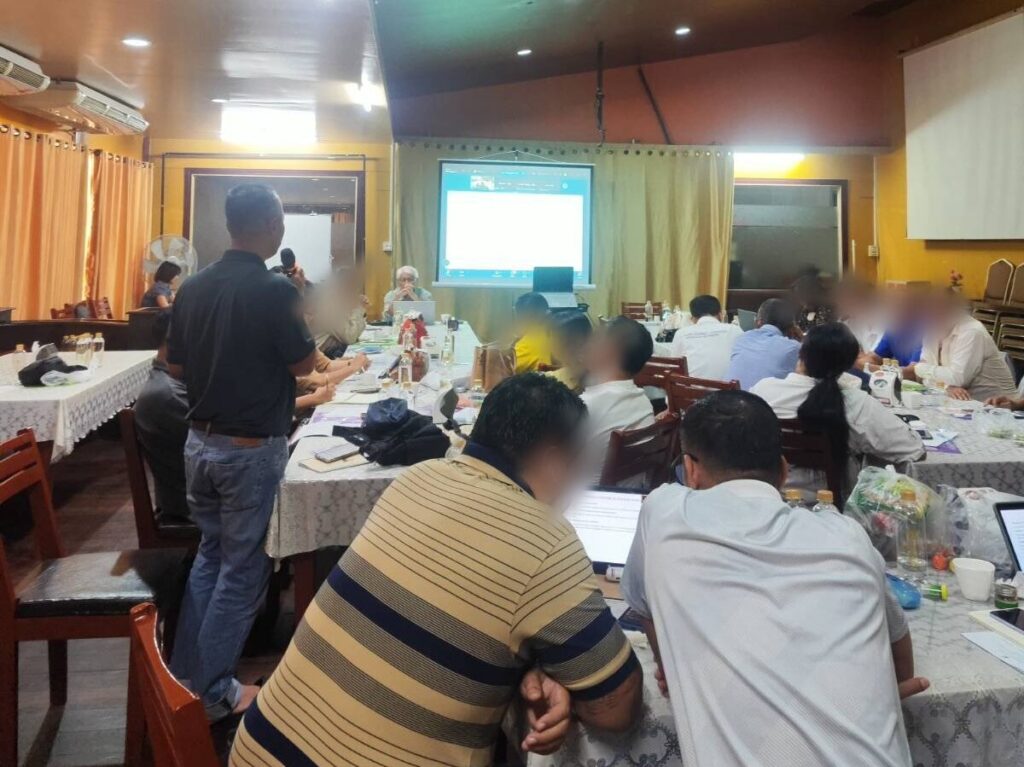
Developing a Model Interim Local Government Law
The workshop provided substantive technical inputs for developing a proposed Model Interim Local Government Law for Myanmar. Key areas of consideration included the establishment and functions of local councils and executive bodies, democratic representation, public participation, allocation of powers and responsibilities, local financial management, accountability mechanisms and transitional arrangements.
Participants also examined the legal and institutional requirements for effective public service delivery, particularly in education, healthcare, social welfare, local infrastructure, and natural resource management. The discussions emphasized that local governments must have adequate financial resources, administrative capacity, and clearly defined legal mandates to fulfil their responsibilities.
The final day focused on legislative drafting, stakeholder consultation, consensus-building, and developing a practical roadmap to advance the proposed model law.
Way Forward
The workshop represented an important preparatory step toward establishing a coherent legal framework for democratic local governance in Myanmar. The technical discussions and comparative legal analysis provide a foundation for further refining the proposed legislation through consultations with elected representatives, federal-unit authorities, local governance institutions, and relevant stakeholders.
IPSJ’s initiative aims to support the development of local governance institutions that are democratically legitimate, inclusive, transparent, financially accountable, and responsive to the needs of communities affected by conflict.
The proposed Model Interim Local Government Law is intended to serve as a reference framework that competent authorities in different federal units and local jurisdictions can adapt and voluntarily adopt, rather than imposing a uniform governance structure.
Through ongoing technical engagement, legislative development and stakeholder consultation, this initiative aims to support Myanmar’s longer-term transformation toward a federal democratic system grounded in civilian governance, local self-government, public participation and accountability.