K2
မူရင်းပို့စ်ကို အင်္ဂလိပ်ဘာသာဖြင့် ကြည့်ရှုရန် နှိပ်ပါ : https://eng.mizzima.com/2026/05/28/34554
စစ်ရေးအောင်ပွဲ၏ ကန့်သတ်ချက်များ
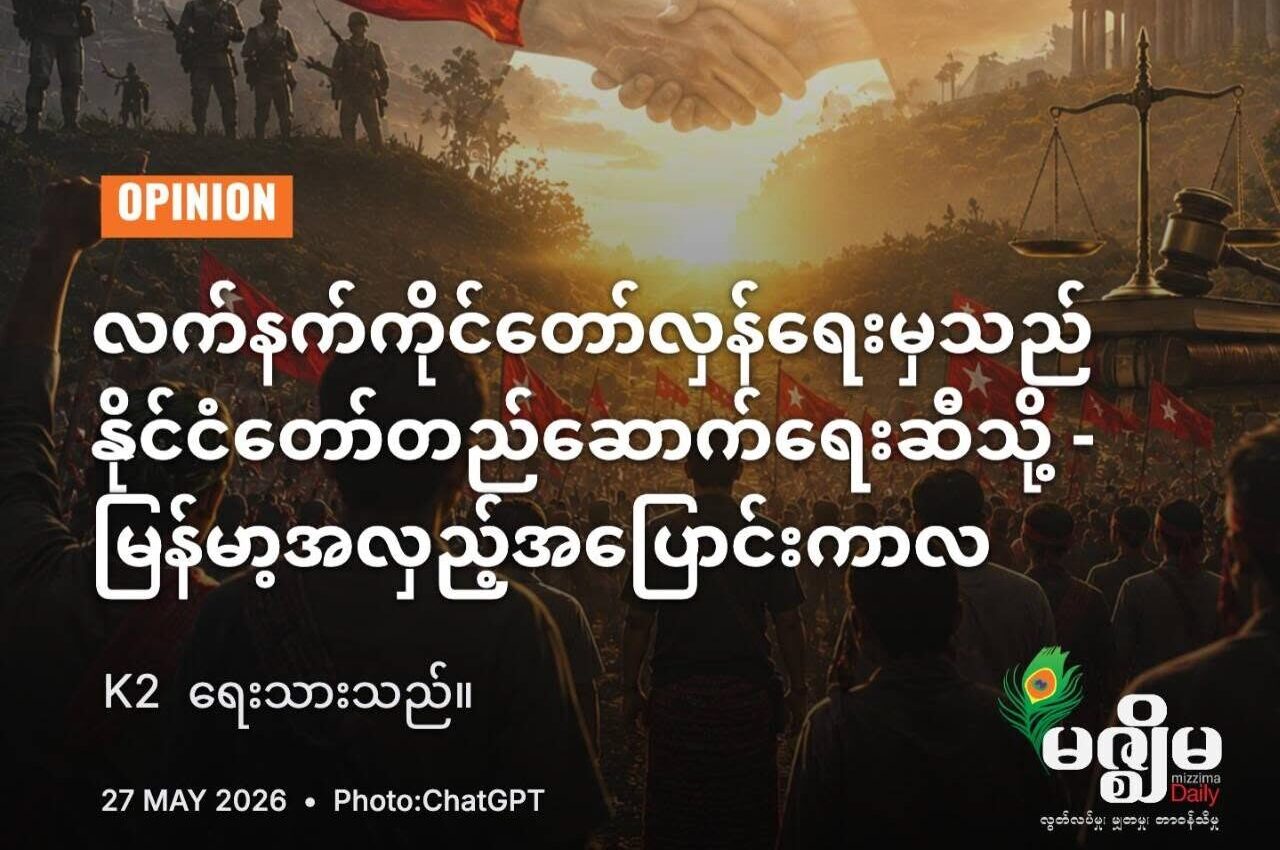
မြန်မာနိုင်ငံ၏ ခုခံမှုသည် သမိုင်းဝင် ချောက်ကမ်းပါးတွင် ရှိနေသည်။ ရက်စက်ကြမ်းကြုတ်သော စစ်အစိုးရကို နှစ်ပေါင်းများစွာ လက်နက်ကိုင်တိုက်ပွဲဝင်ပြီးနောက် တော်လှန်ရေးတပ်ဖွဲ့များသည် အစိုးရကို အခြေခံအားဖြင့် အားနည်းစေခဲ့ပြီး နိုင်ငံ၏ နယ်မြေ၏ ခန့်မှန်းခြေအားဖြင့် ၃၈၁ တန် ၃ တန်ကို ထိန်းချုပ်နိုင်ခဲ့ပြီး နယ်စပ်ကုန်သွယ်ရေး၏ ၆၆၁ တန် ၃ တန်ကို လုံခြုံစေခဲ့သည်။ ၎င်းတို့သည် သမိုင်းဝင်ပြီး ငြင်းမရသော အောင်မြင်မှုများဖြစ်သည်။ သို့သော် စစ်ရေးတိုးတက်မှုတစ်ခုတည်းသည် ရေရှည်တည်တံ့သော နယ်မြေကို လုံခြုံစေရန် မလုံလောက်ကြောင်း သမိုင်းက သတိပေးသည်။ နိုင်ငံရေးဆိုင်ရာ အောင်ပွဲခံခြင်း သို့မဟုတ် အဆက်ဆက်သော စစ်အစိုးရများကို အပြီးတိုင်ဖြုတ်ချခြင်း။ အဆုံးအဖြတ်ပေးသော၊ မဟာဗျူဟာကျသော ဗဟိုချက်အတွက် အချိန်တန်ပြီ- တော်လှန်ရေးသည် လက်နက်ကိုင်ခုခံမှုမှ ညှိနှိုင်းထားသော နိုင်ငံတော်တည်ဆောက်ရေး၊ ယုံကြည်စိတ်ချရသော ဖက်ဒရယ်အုပ်ချုပ်ရေးနှင့် ဖွဲ့စည်းပုံအခြေခံဥပဒေကို အခြေခံသည့်စနစ်သို့ ချက်ချင်းကူးပြောင်းရမည်။.
နိုင်ငံရေး
“Hybrid Trap” ၏အန္တရာယ်”
ကျွန်ုပ်တို့သည် လက်ရှိတွင် “ရောနှောထောင်ချောက်” ၏ ခြိမ်းခြောက်မှုကို ရင်ဆိုင်နေရသည်။ စစ်အာဏာရှင်အစိုးရသည် ၎င်း၏စစ်မြေပြင်ဆုံးရှုံးမှုများမှ ယိမ်းယိုင်နေချိန်တွင် ပြင်ပသရုပ်ဆောင်များသည် အတင်းအကျပ် “အတုအယောင်ငြိမ်းချမ်းရေး” သို့မဟုတ် နိုင်ငံရေးဖြေရှင်းချက်ကို စီစဉ်ရန် ကြိုးစားနိုင်သည်။ ဤအန္တရာယ်ရှိသော အခြေအနေသည် ပဋိပက္ခကို ထိရောက်စွာ ရပ်တန့်စေပြီး စစ်အာဏာရှင်အစိုးရ၏ အာဏာနှင့် စစ်ရေးလွှမ်းမိုးမှုကို အသစ်အဆန်းဖုံးကွယ်ထားသောပုံစံဖြင့် ထိန်းသိမ်းထားသည်။ စစ်အာဏာရှင်အစိုးရသည် ချို့ယွင်းချက်များစွာရှိသော ၂၀၀၈ ခုနှစ် ဖွဲ့စည်းပုံအခြေခံဥပဒေအောက်တွင် လည်ပတ်သော အတုအယောင် ၂၀၂၅/၂၀၂၆ ရွေးကောက်ပွဲများမှတစ်ဆင့် ဤမှားယွင်းသော တရားဝင်မှုကို ဖန်တီးရန် ကြိုးစားနေပြီဖြစ်သည်။ ဤအခြေခံဖွဲ့စည်းပုံ အခြေခံဥပဒေဘောင်သည် အစိုးရအာဏာကို ကန့်သတ်ရန် သို့မဟုတ် အခြေခံလူ့အခွင့်အရေးများကို ကာကွယ်ရန် ပျက်ကွက်သောကြောင့် ၎င်းအောက်တွင် ဖွဲ့စည်းထားသော မည်သည့်အစိုးရမဆို အာဏာရှင်စနစ်၏ ဖွဲ့စည်းပုံအခြေခံဥပဒေနှင့် မညီသော ဆက်လက်လုပ်ဆောင်မှုတစ်ခုသာဖြစ်သည်။ ဤအရာကို တန်ပြန်ရန်နှင့် နိုင်ငံတကာအသိအမှတ်ပြုမှုကို ရယူရန် ၎င်းတို့၏ကြိုးပမ်းမှုများကို အပြီးအပိုင်ပျက်ပြယ်စေရန်အတွက် ကျွန်ုပ်တို့၏ ကြားဖြတ်ဖက်ဒရယ်နှင့် ပြည်နယ်ဖွဲ့စည်းပုံအခြေခံဥပဒေများကို အကောင်အထည်ဖော်ခြင်းဖြင့် စစ်အာဏာရှင်အစိုးရ၏ နိုင်ငံရေးမဟာဗျူဟာကို စနစ်တကျဖျက်သိမ်းရမည်။.
ဖွဲ့စည်းပုံအခြေခံဥပဒေကို အဘယ်ကြောင့် ယခုအရေးကြီးသနည်း
ခိုင်မာတဲ့ အုပ်ချုပ်ရေး၊ ဥပဒေပြုရေးနှင့် တရားစီရင်ရေး မဏ္ဍိုင်တွေ မရှိဘဲ မရေမရာတဲ့ “တစ်ဝက်ဖားတစ်ဝက်ငါး” နိုင်ငံတော်မှာ အသွင်ကူးပြောင်းရေး ခုခံမှုအဖြစ် ကျွန်ုပ်တို့ လုပ်ဆောင်နိုင်တော့မည် မဟုတ်ပါ။ ၁၉၅၆ ခုနှစ်မှာ ဒီမိုကရက်တစ် အမျိုးသားများ ညီညွတ်ရေးတပ်ဦး (DNUF) ဒါမှမဟုတ် ၂၀၁၁ ခုနှစ်မှာ ညီညွတ်သော အမျိုးသားများ ဖက်ဒရယ်ကောင်စီ (UNFC) လိုမျိုး ယာယီ စစ်ရေးနဲ့ နိုင်ငံရေး မဟာမိတ်အဖွဲ့တွေဟာ ခိုင်မာတဲ့ နိုင်ငံတော် အဖွဲ့အစည်းတွေရဲ့ အခြေခံအုတ်မြစ်မရှိဘဲ သမိုင်းကြောင်းအရ ပျောက်ကွယ်သွားပါတယ်။ လက်ရှိမှာ ဒီလှုပ်ရှားမှုဟာ ပြည်တွင်းတရားရုံးတွေမှာ အကောင်အထည်ဖော်လို့မရတဲ့ စည်းနှောင်မှုမရှိတဲ့ နိုင်ငံရေး သဘောတူညီချက်တစ်ခုသာဖြစ်တဲ့ ဖက်ဒရယ်ဒီမိုကရေစီ ပဋိဉာဉ်စာတမ်းကို အလွန်အမင်း အားကိုးနေပါတယ်။ တောင်အာဖရိကရဲ့ မျှော်မှန်းချက်ကြီးတဲ့ လွတ်လပ်မှုပဋိဉာဉ်စာတမ်းကနေ စည်းနှောင်ထားတဲ့ ဖွဲ့စည်းပုံအခြေခံဥပဒေဆိုင်ရာ ဒီမိုကရေစီစနစ်ဆီကို သမိုင်းဝင် ကူးပြောင်းမှုလိုပဲ မြန်မာနိုင်ငံဟာ လွတ်လပ်တဲ့ ဖက်ဒရယ်တရားရုံးချုပ်နဲ့ ပြည်နယ်အဆင့် တရားစီရင်ရေးတွေပါဝင်တဲ့ စစ်မှန်တဲ့ ဖွဲ့စည်းပုံအခြေခံဥပဒေဆိုင်ရာ စနစ်တစ်ခုကို တည်ထောင်ရပါမယ်။ ဒီတရားဝင် ဥပဒေဘောင်ဟာ တရားမျှတတဲ့ တရားစီရင်မှုတွေကို အာမခံဖို့၊ အခြေခံလူ့အခွင့်အရေးတွေကို ထိန်းသိမ်းဖို့နဲ့ စစ်တပ်ကို ပြစ်ဒဏ်ကင်းလွတ်ခွင့်ပေးမယ့် “အတုအယောင် ငြိမ်းချမ်းရေး” တွေကို ပိတ်ဆို့ဖို့ မရှိမဖြစ် လိုအပ်ပါတယ်။.
ပြည်တွင်းပြည်ပတွင် တရားဝင်မှုတည်ဆောက်ခြင်း
ထို့အပြင်၊ နိုင်ငံတကာတရားဝင်မှုကို တိုက်ပွဲများအနိုင်ရရှိရုံသာမက လုပ်ဆောင်နိုင်စွမ်းရှိသော အုပ်ချုပ်မှုကို ပြသခြင်းဖြင့် ရရှိသည်။ အမေရိကန်တော်လှန်ရေးသမားများသည် ကွန်တီနင်တယ်ကွန်ဂရက်ကို တည်ထောင်ပြီး ပြင်သစ်နိုင်ငံမှ အရေးကြီးသော ဘဏ္ဍာရေးနှင့် အသိအမှတ်ပြုမှုကို ရရှိရန် လုပ်ဆောင်နိုင်စွမ်းရှိသော ဖွဲ့စည်းပုံအခြေခံဥပဒေကို ရေးဆွဲခဲ့ရသကဲ့သို့၊ မြန်မာနိုင်ငံ၏ ခုခံမှုသည် နိုင်ငံတကာစာချုပ်များကို လက်မှတ်ရေးထိုးရန်နှင့် အရေးကြီးသော အရင်းအမြစ်များကို တရားဝင်လုံခြုံစေရန် တရားဝင်နိုင်ငံတော်အဖွဲ့အစည်းများကို တည်ထောင်ရမည်။ ဤဖွဲ့စည်းပုံဆိုင်ရာတရားဝင်မှုသည် “ထိုးစစ်ဆင်စီးပွားရေး” သို့ ကူးပြောင်းရန်အတွက် မရှိမဖြစ်လိုအပ်သည်။ လွတ်လပ်သောအခွန်စနစ်များကို အကောင်အထည်ဖော်ခြင်းနှင့် လက်ရှိကျွန်ုပ်တို့ထိန်းချုပ်မှုအောက်ရှိ နယ်စပ်ကုန်သွယ်ရေး၏ 66% စီမံခန့်ခွဲမှုကို တရားဝင်ဖြစ်စေခြင်းဖြင့်၊ ကျွန်ုပ်တို့သည် အရပ်ဘက်မနာခံမှုလှုပ်ရှားမှု (CDM) နှင့် ဝေဖန်ပိုင်းခြားအုပ်ချုပ်မှုကို ရေရှည်တည်တံ့စွာ ရန်ပုံငွေထောက်ပံ့နိုင်ပါသည်။ အရေးကြီးသည်မှာ၊ ဖက်ဒရယ်အဖွဲ့အစည်းများကို တရားဝင်ဖြစ်စေခြင်းသည် တန်းတူညီမျှသော အရင်းအမြစ်စီမံခန့်ခွဲမှုကို သေချာစေပြီး ၁၉၈၈ ခုနှစ်တွင် KNU နှင့် NMSP ကဲ့သို့သော တော်လှန်ရေးအဖွဲ့များကို သမိုင်းကြောင်းအရ ဒုက္ခပေးခဲ့သော ပြည်တွင်းအငြင်းပွားမှုများအပြင် လက်နက်ကိုင်အဖွဲ့များအကြား လက်ရှိပဋိပက္ခများကို ကာကွယ်ပေးသည်။.
အရှေ့တောင်ပိုင်းဒေသ- ဖက်ဒရယ်ရှေ့ပြေးစီမံကိန်း
စစ်ပွဲဆင်နွှဲနေစဉ်မှာ ဒီပြည်နယ်ကို ဘယ်လိုတည်ဆောက်မလဲ။ အဖြေကတော့ တစ်နိုင်ငံလုံး သဘောတူညီမှု ဒါမှမဟုတ် ပဋိပက္ခအပြီး ဆွေးနွေးပွဲတွေ ပြီးဆုံးတဲ့အထိ စောင့်ဆိုင်းဖို့ ငြင်းဆန်ခြင်းပါပဲ။ မဟာဗျူဟာမြောက် တိုးတက်မှုကို ရှောင်ရှားဖို့အတွက် တိုက်ကြီးတစ်ခုလုံး ပေါင်းစည်းဖို့ စောင့်ဆိုင်းမယ့်အစား ဆန္ဒရှိတဲ့ ပြည်နယ် ၁၃ ခုနဲ့ စတင်ခဲ့တဲ့ အမေရိကန်ပြည်ထောင်စုရဲ့ အစောပိုင်းပုံစံကို အတုယူတဲ့ “အောက်ခြေကနေ အထက်ကို” ဖက်ဒရယ်ချဉ်းကပ်မှုကို ကျွန်ုပ်တို့ လက်ခံကျင့်သုံးရပါမယ်။ ကရင်နီ၊ ကရင်၊ မွန်နဲ့ တနင်္သာရီတို့ ပါဝင်တဲ့ အရှေ့တောင်ပိုင်းဒေသဟာ စမ်းသပ်ပုံစံအဖြစ် ဆောင်ရွက်ဖို့ ပြီးပြည့်စုံတဲ့ အနေအထားမှာ ရှိပါတယ်။ ဒီဒေသခွဲမှာ စီးပွားရေးစီမံခန့်ခွဲမှု၊ လုံခြုံရေးနဲ့ အုပ်ချုပ်မှုကို ချက်ချင်းညှိနှိုင်းခြင်းအားဖြင့် ကျွန်ုပ်တို့ဟာ အစွမ်းထက်တဲ့ “အယူအဆရဲ့ သက်သေ” ကို ပေးစွမ်းနိုင်ပါတယ်။ ဒီအလုပ်လုပ်နေတဲ့ ဒေသခွဲပုံစံဟာ အဖွဲ့အစည်းဆိုင်ရာ တရားဝင်မှုနဲ့ လူဦးရေယုံကြည်မှုကို တည်ဆောက်ပေးမှာဖြစ်ပြီး တခြားဒေသတွေအနေနဲ့ အချိန်နဲ့အမျှ လိုက်လျောညီထွေဖြစ်အောင်နဲ့ လိုက်နာဆောင်ရွက်ဖို့ လိုအပ်တဲ့ အရှိန်အဟုန်ကို ဖန်တီးပေးပါလိမ့်မယ်။.
“ပင့်ကူနှင့် ကြယ်ငါး” ချဉ်းကပ်မှု
မြန်မာနိုင်ငံ၏ အလွန်အမင်း ကွဲပြားသော လူမျိုးရေးနှင့် နိုင်ငံရေး ရှုခင်းကို ထိရောက်စွာ စီမံခန့်ခွဲရန်အတွက်၊ နိုင်ငံတော်သစ်သည် နိုင်ငံရေး၊ စီးပွားရေး၊ စစ်ရေးနှင့် သံတမန်ရေး နယ်ပယ်များကို လွှမ်းခြုံထားသော “Spider and Starfish” ပူးတွဲစစ်ဆင်ရေး ကွပ်ကဲမှုဌာနချုပ်ကို တည်ထောင်သင့်သည်။ “Spider” သည် အမျိုးသားအမြင်၊ နိုင်ငံတကာ ပါဝင်ဆောင်ရွက်မှုနှင့် ဖွဲ့စည်းပုံအခြေခံဥပဒေ ဦးတည်ချက်ကို ညှိနှိုင်းပေးသည့် ဗဟိုချုပ်ကိုင်မှု ညှိနှိုင်းရေးယန္တရားတစ်ခုအဖြစ် ဆောင်ရွက်မည်ဖြစ်သည်။ ဆန့်ကျင်ဘက်အနေဖြင့် “Starfish” သည် အရပ်ဘက်အစိုးရများ၊ ဒေသန္တရပြည်နယ်များနှင့် တိုင်းရင်းသားတော်လှန်ရေးအဖွဲ့အစည်းများ (EROs) အား ဗဟိုချုပ်ကိုင်မှုကင်းသော၊ လိုက်လျောညီထွေဖြစ်အောင် လုပ်ဆောင်နိုင်သည့် နည်းလမ်းဖြင့် မြေပြင်ပေါ်တွင် လုပ်ဆောင်နိုင်စေပါသည်။ ဤဂရုတစိုက် ချိန်ညှိထားသော ရောနှောချဉ်းကပ်မှုသည် ဗဟိုချုပ်ကိုင်မှု အလွန်အကျွံပြုလုပ်ခြင်းနှင့် ဗဟိုချုပ်ကိုင်မှု လုံးဝပြိုကွဲခြင်း နှစ်ခုလုံးကို အောင်မြင်စွာ ရှောင်ရှားနိုင်သည်။.
လုပ်ဆောင်ရန် တိုက်တွန်းချက်- ပြည်ထောင်စုသစ်တစ်ခု မွေးဖွားခြင်း
မရေမရာမှုတွေအတွက် အချိန် နိုင်ငံရေးဆိုင်ရာ အစီအစဉ်တွေ ပြီးဆုံးသွားပါပြီ။ မဟာဗျူဟာမြောက် ခေါင်းဆောင်မှုထိပ်သီးအစည်းအဝေးတစ်ခုသည် အဆုံးအဖြတ်ပေးသော အလှည့်အပြောင်းတစ်ခုကို အမှတ်အသားပြုမည်ဖြစ်ပြီး ၂၀၂၆ ခုနှစ် မကုန်မီ အမြန်ဆုံးခေါ်ယူသင့်သည်။ NUG၊ NLD၊ CRPH၊ NUCC၊ EROs နှင့် ပေါ်ထွက်လာသော ဖက်ဒရယ်ယူနစ်များမှ ခေါင်းဆောင်များသည် ယာယီမဟာမိတ်အဖွဲ့များထက် ကျော်လွန်၍ ဤအခွင့်အရေးကို အသုံးချရမည်။.
နိုင်ငံရေး
ကျွန်ုပ်တို့အတူတကွ ကျွန်ုပ်တို့၏ သက်ဆိုင်ရာ ဖွဲ့စည်းပုံအခြေခံဥပဒေများကို အကောင်အထည်ဖော်ဆောင်ရွက်ကြောင်း ကြေငြာပြီး ဖက်ဒရယ်ဒီမိုကရက်တစ် ပြည်ထောင်စုသစ်တစ်ရပ်ကို တရားဝင်ဖော်ဆောင်ရမည်။ တော်လှန်ရေး၏ အဆုံးစွန်သောအောင်ပွဲသည် ကျွန်ုပ်တို့၏ လက်နက်ကိုင်တပ်ဖွဲ့များ၏ အင်အားပေါ်တွင်သာမက စစ်မှန်သော နိုင်ငံတော်တစ်ရပ်အတွက် ချက်ချင်းနှင့် ရဲရင့်သော ကတိကဝတ်ပေါ်တွင်လည်း မူတည်ပါသည်။.
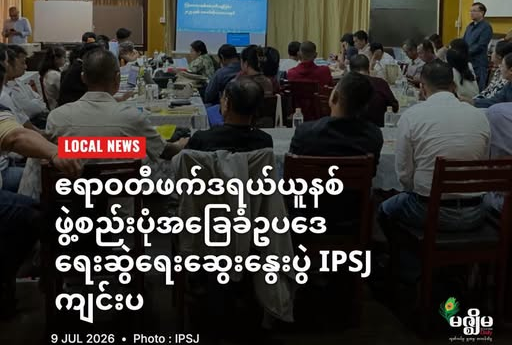
K2 သည် မြန်မာနိုင်ငံတွင် အကြမ်းမဖက်လှုပ်ရှားမှု၊ ပဋိပက္ခဖြေရှင်းရေးနှင့် ဖက်ဒရယ်ဒီမိုကရေစီတို့တွင် အထူးပြုသော အတွေ့အကြုံရင့် မဟာဗျူဟာရေးဆွဲသူနှင့် အကြံပေးတစ်ဦးဖြစ်သည်။ မဟာဗျူဟာရေးဆွဲခြင်း၊ မူဝါဒဆိုင်ရာ အတိုင်ပင်ခံခြင်းနှင့် လူ့အခွင့်အရေးဆိုင်ရာ ထောက်ခံအားပေးခြင်းတို့တွင် အတွေ့အကြုံများစွာရှိသော သူသည် လက်ရှိတွင် ငြိမ်းချမ်းရေးနှင့် လူမှုရေးတရားမျှတမှုအင်စတီကျု – IPSJ တွင် အကြီးတန်းအမှုဆောင်အဖြစ် တာဝန်ထမ်းဆောင်လျက်ရှိသည်။တဂ်လုပ်ထားသည် မြန်မာနိုင်ငံ၏ အဓိက အခိုက်အတန့်, ခုခံအား